
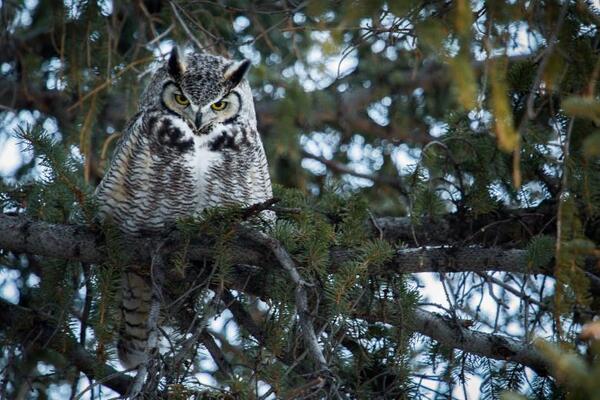
When an owl hoots, it is rarely just “making noise.” More often, it is sending a meaningful signal: staking out territory, calling for a mate, strengthening pair bonds, or warning others to stay away. Some species hoot to say “This forest patch is mine,” especially during breeding season; others use hoots to attract a partner or coordinate nesting and hunting.
That said-not all owls hoot. Some species, like Barn Owl, never make the classic “hoo-hoo” sound, preferring screams, hisses, or soft coos instead. Hearing an owl at night (or sometimes even during the day) doesn’t automatically signal danger or magic. It’s usually a natural act of communication the owl’s way of managing territory, family, or courtship.
So when you hear that haunting “hoot” from a dark rooftop, a forest edge, or a lonely tree you’re likely witnessing a hidden conversation unfolding in nature’s quiet hours.
Owl’s Hoot: What These After-Dark Messages Actually Mean
A hooting owl is not “just being vocal.” In the wild, a hoot is a purposeful message shaped by evolution and backed strongly by field research. According to the Cornell Lab of Ornithology, owls hoot primarily for territory defense, mate attraction, and communication between pair-bonded partners. Larger species like Great Horned and Barred Owls rely on deep, resonant hoots that travel long distances at night ideal for announcing ownership of a hunting range.
Hoots also strengthen relationships. Many owls form long-term monogamous pairs, and their duets help maintain the bond, especially in breeding season. Biologists note that pairs often answer each other with matching rhythms and pitch patterns almost like a conversation. And contrary to popular belief, a hoot rarely means “an owl sees prey.” It’s usually more social than predatory.
Why You Heard an Owl Tonight: Science-Based Hoot Meanings Most People Don’t Realize
If an owl hooted near your home, forest edge, or farmland, the meaning behind it depends on season, species, and context. Researchers have documented that owls become far more vocal during the breeding season because territory boundaries tighten, mates coordinate nesting duties, and competition increases.
You likely heard an owl tonight because:
- It’s defending territory– most common between late winter and early spring.
- It’s calling for or locating a mate-hooting peaks during courtship periods.
- It’s communicating with young or a partner-softer hoots or contact calls.
- It’s responding to another owl nearby-hoot exchanges are common at night.
- Your area has ideal hunting or nesting spots-owls are site-faithful and return annually.
Field guides consistently report that owls choose hours after midnight for long-range calls because sound travels farther in cool, still air, making nighttime hooting incredibly efficient.
Hooting Explained: The Real Reasons Owls Call in the Dark and Sometimes in Daylight
Owls are creatures built for the night, so most of their “conversations” naturally happen after sunset. The world is quieter then, cooler air helps low-pitched sounds travel farther, and there’s much less competition from other birds. In other words, nighttime gives an owl the perfect stage to broadcast a hoot that can stretch across valleys, farms, or entire forest blocks.
But here’s something many people don’t realize: some owls simply don’t stick to the script. Species like the Barred Owl are known to hoot whenever the mood strikes dawn, mid-afternoon, whenever they feel the need to communicate. Bird researchers frequently report Barred Owls calling in bright daylight, especially if they’re defending a nest, interacting with a partner, or just stirred up by nearby activity. Even Great Horned Owls, usually strict night callers, will sometimes hoot at sunrise or sunset when shifting roosts or answering a rival, which adds important context to What Does It Mean When You Hear An Owl.
Why an owl might hoot during the day
- Breeding pressure: During nesting season, communication becomes urgent daylight doesn’t stop it.
- Territorial disputes: If another owl wanders too close, the resident bird may respond immediately.
- Disturbance near the nest: Humans, pets, or predators can trigger defensive calling.
- Species-specific behavior: Some owls naturally blend nocturnal and crepuscular habits, making daytime hoots perfectly normal.
So if you ever hear that deep, echoing “hoot” in the middle of the afternoon, it isn’t a sign that something strange is happening. It’s simply an owl doing what owls do best using sound to manage its world, no matter what the clock says.
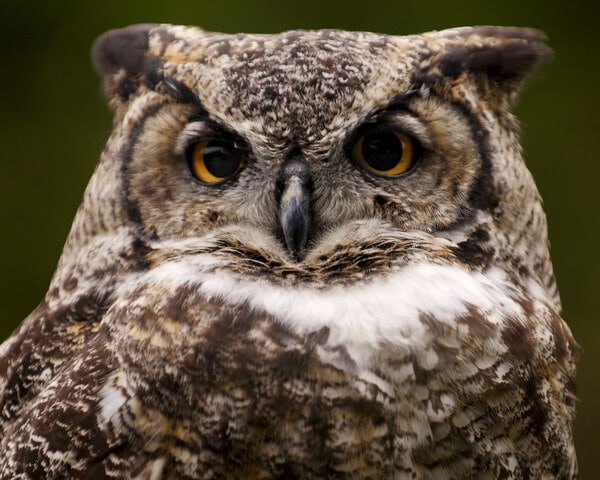
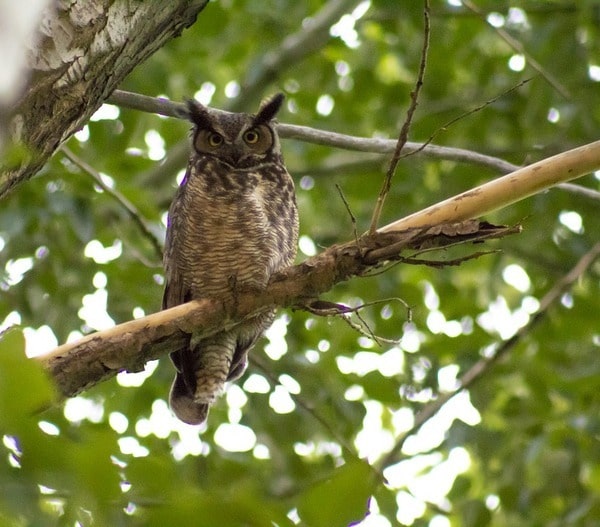
How Owls Use Sound to Claim Territory, Find Mates and Guard Their Young
For an owl, sound isn’t just a background feature of the night it’s one of its sharpest tools for survival. Many owl species rely on vocal communication far more than visual cues when dealing with their own kind. Their hoots travel long distances in the quiet night air, acting like a broadcasting tower for important messages. Meanwhile, their sharper calls barks, trills, hisses, screeches handle the close-range, urgent moments.
Here’s how hoots fit into an owl’s everyday life:
• Claiming and defending territory
Owls are surprisingly territorial. If an owl has settled into a rich hunting area or a nesting site, it wants rivals to know it’s taken. A steady, repeated hoot is essentially the owl’s version of posting a “No Trespassing” sign loud, clear, and impossible to ignore.
• Finding and attracting a mate
During breeding season, a hoot becomes more than a boundary marker. Males often produce deeper, more resonant hoots, and females listen for those cues. Researchers note that these vocal traits can signal health and strength important qualities when choosing a lifelong partner, since many owl species form long-term bonds.
• Coordinating nesting and family duties
Once a pair is established, their hoots soften and take on new roles. These calls help the pair stay in touch, switch shifts at the nest, or coordinate feeding times. It’s a quiet, efficient way for parents to keep their routine running smoothly without attracting unnecessary attention.
• Guarding their young
When something threatens the nest a raccoon, another raptor, even a curious human the tone of an owl’s call changes immediately. Instead of long, rolling hoots, you may hear sharper, faster, more urgent sounds. These vocal alarms warn chicks to stay low and alert the partner that trouble is nearby.
Hoot Patterns That Tell a Story: Understanding Owl Calls Like a Wildlife Researcher
Once you start paying attention to the rhythm, pitch, and spacing of an owl’s hoots, the forest suddenly feels less mysterious almost like you’re listening in on private conversations. Wildlife researchers do exactly this. By breaking patterns down into simple components, they can tell whether an owl is relaxed, defending its space, searching for a mate, or warning its family.
Here’s how those patterns translate into meaning:
1. Slow, steady, rhythmic hoots
These are the classic territorial broadcasts. The owl is calmly but firmly letting others know: “I’m here, and this land belongs to me.”
2. Rapid hoots delivered in a series
When the pace quickens, you’re often hearing courtship or communication between bonded partners. These faster calls help pairs find each other, especially during breeding season.
3. Duet hoots from two birds
A male and female hooting back and forth is one of the most charming behaviors in owl biology. These duets help reinforce their bond and coordinate nesting responsibilities almost like checking in with one another.
4. Single, widely spaced hoots
This pattern works like a simple roll call: “Where are you?” or “I’m over here.” It’s an easy way for owls to keep track of each other across distances.
5. Hoots mixed with growls, barks, or sharp screeches
When other sounds creep into the mix, things are shifting toward alarm or aggression. These combinations often show up when a predator approaches the nest or when an intruder enters the owl’s territory.
6. Very soft, low hoots near the nest
These are some of the most intimate sounds an owl makes. Quiet enough not to attract predators, they allow parents to communicate close to the nest without giving away its location.
Eurasian Eagle Owl Hooting
Related Post
- What Does It Mean When You Dream About Owls
- Do Owls Hibernate – Explanation
- Do Fake Owls Keep Bats Away
- Baby Western Screech Owl – Explanation
Resources