
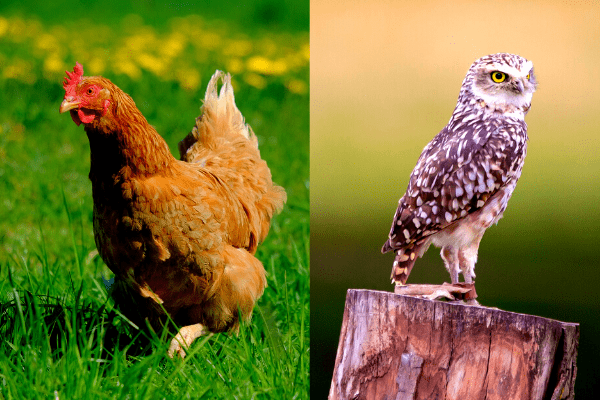
Yes, owls can eat chickens, but it happens far less often than people think. Studies and long-term farm observations consistently show that owls focus on their natural prey rodents, rabbits, insects, and other small mammals not poultry. When a chicken is taken, it’s usually because the flock was left exposed at night, a large owl species such as a Great Horned Owl or Eagle Owl was living nearby, or local rodent populations dropped and the owl shifted to whatever food was available.
In most situations, owls actually help chicken owners by controlling rodents that attract snakes, spread contamination, and cause feed loss. So while owl attacks do occur, they’re almost always opportunistic and not a deliberate or regular behavior.
Why Owls Sometimes Target Chickens: The Real Ecological Reason Behind These Raids
Owls evolved as predators of small mammals, not poultry, and this is well documented by wildlife agencies and long-term diet studies. However, ecological pressures can occasionally redirect their attention toward chickens. When rodent populations fall or when human settlements place backyard farms directly within an owl’s hunting territory, chickens become easy alternatives especially at night when they cannot see well and tend to freeze in place. Most reported owl attacks involve birds that were left outdoors, sleeping on open perches or loosely protected structures. From the owl’s perspective, these situations present a simple opportunity, not a deliberate preference.
Factors that push owls toward chickens
- Rodent declines forcing owls to expand prey choices
- Backyard farms built inside established owl hunting ranges
- Nighttime vulnerability of chickens due to poor night vision
- Coops left open, unsheltered, or without secure night time housing
Which Owl Species Are Capable of Killing Chickens? A Size-and-Strength Breakdown
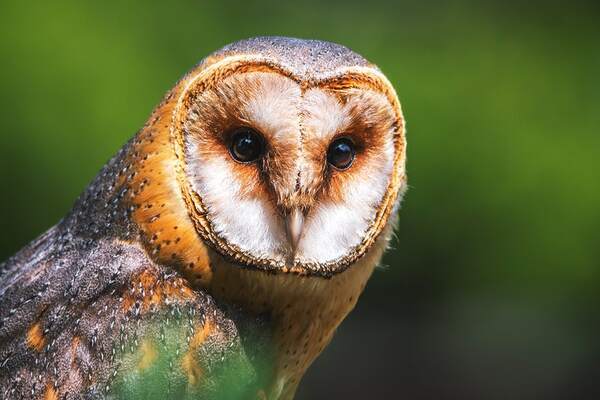
Only a few owl species have the size and power to kill adult chickens. Most owls worldwide including Barn Owls, Screech Owls, and Burrowing Owls-do not possess the talon strength needed to subdue poultry. Documented predation almost always involves large-bodied species that naturally tackle bigger prey.
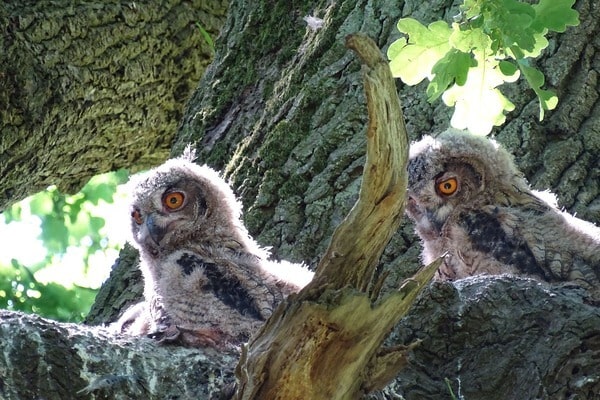
The Great Horned Owl is the most frequent culprit in North America. Wildlife research shows that it can lift and kill animals heavier than itself, which explains occasional chicken losses. In Europe and Asia, the Eurasian Eagle Owl, the world’s largest owl, is strong enough to take poultry and other farm birds when given the chance. In rare cases, Snowy Owls may attack exposed chickens during winter shortages. Medium-sized species such as Barred Owls or Tawny Owls may only target small or juvenile birds and usually do so when chickens are left outside overnight.
Species capable of killing chickens
- Great Horned Owl (North America)
- Eurasian Eagle Owl (Europe & Asia)
- Snowy Owl (wintering regions; opportunistic)
- Barred/Tawny Owls (only small or unprotected birds)
The Signs an Owl Has Taken a Chicken vs. a Hawk, Fox, or Raccoon
When a chicken goes missing, the first challenge for any poultry keeper is figuring out what actually took it. Wildlife agencies emphasize that many predators leave very distinct patterns, and misidentifying them can lead to protecting your flock from the wrong threat. Owl attacks almost always happen under the cover of darkness, since owls are nocturnal hunters. They typically kill with a precise strike to the head or neck, and unlike messy ground predators, they often leave most of the chicken’s body intact.
Another reliable clue is how feathers are left behind owls tend to pluck them cleanly in one spot rather than scattering them across the area. If a bird disappears right off a perch, that’s also a strong sign of an owl, since foxes and raccoons rarely reach elevated roosts without leaving obvious damage.
Indicators of an owl attack
- Occurs during nighttime hours
- Puncture wounds focused on the head or neck
- Feathers plucked in a neat, concentrated pile
- Body sometimes left intact, with head partially eaten
- Birds taken from higher perches or roosts
Indicators of another predator
- Fox: several birds missing, wide scattering of feathers
- Raccoon: torn or opened body, organs removed, signs of climbing or broken fencing
- Hawk: kill happens during daylight, breast meat eaten first
What Farmers Report About Owl–Chicken Conflicts Around the World
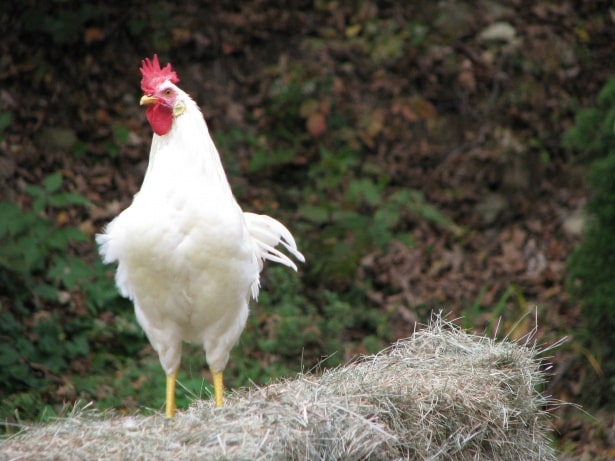
Farmers across different regions often describe remarkably similar experiences when it comes to owls and backyard chickens. Agricultural extension reports consistently note that owl attacks are uncommon when birds are properly secured at night. In the United States, most documented cases involving Great Horned Owls happen with free-ranging flocks, especially those that roost in open areas after dark. European farmers share a similar story with the Eurasian Eagle Owl problems are mainly reported where chickens sleep outdoors or in partially open structures.
In Asia, Africa, and Australia, many poultry keepers actually consider owls an asset rather than a threat. These farmers often report that owl presence leads to fewer rodents around feed areas, less contamination, and an overall cleaner coop environment. When simple nighttime precautions like shutting birds in a solid coop are used, owl-related losses become extremely rare. Across global farm surveys, the same pattern emerges: owls cause occasional losses only when chickens are left exposed, and they provide far more benefits than harm when proper housing is in place. Source – Link
Are Owls a Threat or a Benefit to Backyard Poultry Owners? A Balanced Look
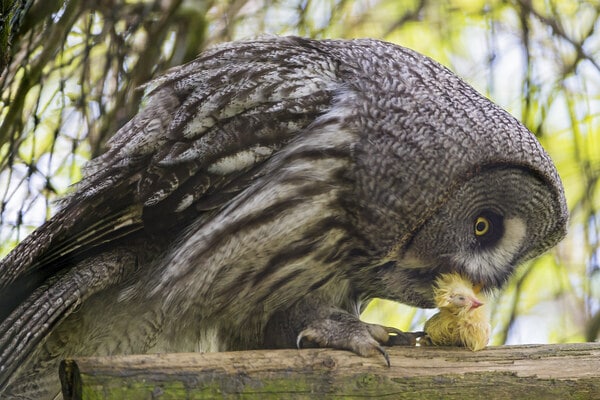
Owls sometimes take a chicken, but most poultry owners are surprised to learn that these birds of prey often help more than they harm. Agricultural extensions repeatedly highlight that rodents not chickens make up the bulk of owl diets. Rodents cause feed loss, spread contamination, chew electrical wiring, and attract snakes, so farms with active owl populations often notice cleaner barns and fewer pests overall. Many farmers even report a drop in snake sightings once owls begin hunting around the property, simply because snakes lose their main food source.
That said, owls can become a risk when chickens sleep outdoors or when coops are left partially open at night. Chickens have poor night vision and freeze when startled, making them very easy for a large owl to take if they’re not secured. When birds are housed properly with a closed roof, solid walls, and predator-proof latches, owl attacks are extremely rare. This context is important when people ask Do Owls Attack Humans, since in most situations owls end up functioning as natural pest-control partners rather than predators.
When owls help
- Reducing rodent populations around feed areas
- Lowering snake presence by cutting off their food supply
- Keeping barns, coops, and storage areas cleaner and more sanitary
When owls become a potential risk
- Chickens roost outdoors or on exposed nighttime perches
- Coops lack secure doors, roofs, or hardware-cloth protection
- Young or small chickens are left unprotected at night
Related Post
- What Does It Mean When You Dream About Owls : Explanation
- Do Owls Hibernate – Explanation
- What Does It Mean When You Hear An Owl
- Where Do Owls Go During The Day
Resources
- peteducate.com
- chickensguide.com