
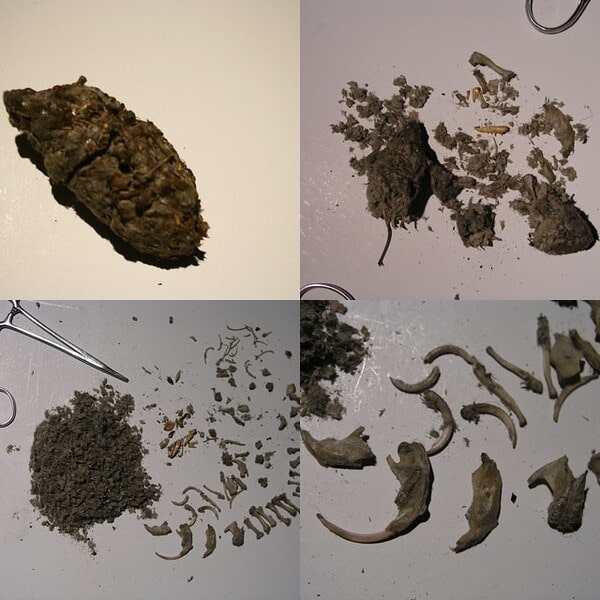
Yes-owls absolutely do poop, but not in the way most people expect. Like all birds, they pass normal digestive waste through the cloaca. This waste looks like a soft white-and-brown dropping, created when the kidneys and intestines mix uric acid with solid material. But owls also have a second waste process that often confuses people: they cough up pellets. Pellets are tight bundles of fur, feathers, insect shells, and tiny bones anything their stomach cannot break down. These pellets come out through the mouth, not the back end, which is why many people wonder whether owls even produce poop at all.
Another reason the question exists is simple: owl poop is hard to find. Owls roost high above eye level, their droppings dry quickly, and their efficient digestion leaves very little residue behind. Pellets, meanwhile, are far more noticeable, so most people assume pellets are the owl’s version of poop but they’re not.
Understanding how owls get rid of waste helps explain how their bodies process prey, how they conserve energy, and even how scientists study them. Owl poop and pellets are important clues about diet, habitat quality, and what is happening in the surrounding ecosystem.
How Owls Really Get Rid of Waste and the Part of Their Biology We Often Miss
Owls do produce normal droppings, but their waste system works differently from what most people imagine. Like other birds, an owl passes soft brown material mixed with white uric acid through the cloaca. This is the owl’s true poop. What makes owls unusual is that their bodies also create pellets, which are pushed out through the mouth instead of the back end.
Pellets form when an owl swallows prey whole or nearly whole. The stomach breaks down the digestible parts, while anything too tough or dangerous, such as bones, fur, insect shells, and feathers, is compacted into a single mass in the gizzard. Once the owl’s digestive muscles tighten, that mass is pushed back up and released as a pellet.
This system allows owls to avoid swallowing food in pieces, which would create noise and expose them to danger. By swallowing quickly and sorting everything later, owls stay silent and safe. Although most people first learn about pellets in school, the part that is usually overlooked is that pellets have nothing to do with poop.
They are completely separate processes created in different parts of the digestive system. The real waste, the actual droppings, is much less noticeable, which is why many people wonder if owls even poop at all.
Why We Rarely See Owl Poop and What It Quietly Says About Their Diet
Owl poop is surprisingly hard to find, even in areas where owls are common. Part of this is due to where owls spend their time. Most species roost high above the ground on shaded branches, inside thick foliage, or against tree trunks where droppings land on bark, leaves, or dry soil. These surfaces absorb or scatter the waste almost immediately. The droppings themselves are soft, watery, and quick to break down. Unlike pellets, which can last for months under a roost, owl poop rarely survives long enough to be noticed.
Another reason we rarely see owl poop is because owls digest their food with remarkable efficiency. They extract nutrients from prey extremely well, leaving behind very little residue. A healthy owl that eats a clean diet of rodents, insects, or small birds will produce small, faint droppings that disappear quickly.
Even the color tells a story. The white portion comes from concentrated uric acid, and the brown portion reflects whatever was digested most recently. When an owl eats a high-protein meal, the brown portion may be darker and minimal, showing just how thoroughly their bodies process food.
This quiet little detail reveals more about their lifestyle than we realize. Clean, sparse droppings often indicate a predator that is metabolically efficient and well adapted to hunting prey with high nutritional value. It also hints at their ability to live unnoticed, leaving almost no trace of themselves during daylight hours.
What Happens Inside an Owl’s Body That Makes Their Poop So Different From Other Birds
While all birds share similar digestive structures, owls stand apart because of how their stomach is specialized to handle whole prey. After an owl swallows a mouse or beetle, the first stomach chamber, the proventriculus, begins breaking down the soft tissues with enzymes. These nutrients are absorbed quickly, which is why owl droppings are small and minimal. The second stomach chamber, the gizzard, acts like a sorting room. Anything that cannot be digested is trapped there rather than pushed through the intestines.
This separation system dramatically changes what the final waste looks like. Most birds push everything through the digestive tract, so their droppings often contain seeds, fibers, or insect parts. Owls do the opposite. Their bodies reserve the intestines for materials that can truly be broken down, and redirect the rest into a pellet. As a result, the droppings contain mostly liquid uric acid and fine digestive residue, while the pellet contains the solid remains. This division is why owl poop appears cleaner and more uniform than the droppings of many other birds.
Because the digestive pathway is so efficient, owls produce droppings that leave very little behind. Even the smell is less intense than the waste of many other birds, because the truly strong-smelling materials never reach the end of the digestive tract. They are instead packed into a pellet and expelled through the mouth before they begin to rot.
The Fact about Owl Pellets
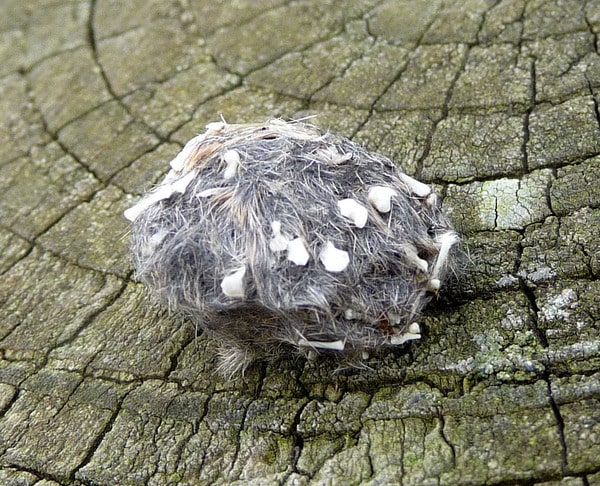
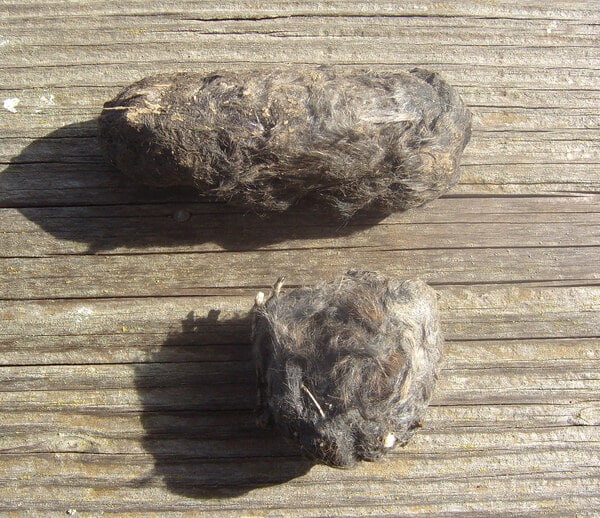
Pellets comprise the undigested portions of a bird’s meal including hair or bones that are then reabsorbed (coughed upwards via the mouth).
- A variety of bird species produce pellets, including bird of prey, crows, and even sparrows. The appearance is based on the food they consume.
- All owls make pellets and their dissection is a great method of determining the various owls’ diets!
- Owl pellets aren’t droppings ( faeces or poops) and don’t smell!
- Barn Owl pellets appear initially black but slowly change to grey when they dry.
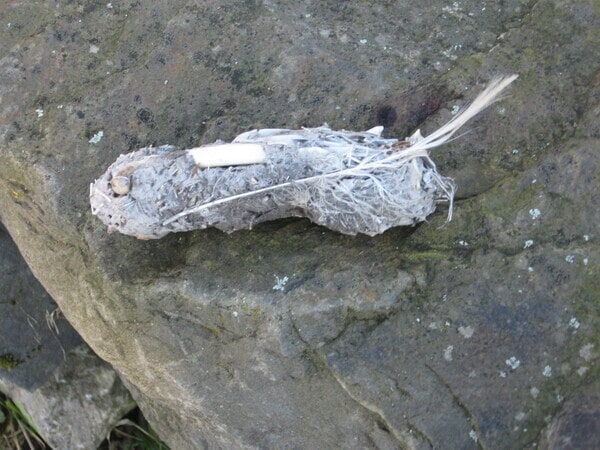
- Barn Owl pellets are fascinating to study and analyze Be a scientist by taking the pellet in a gentle way to discover what it’s made of. Note what you find in your journal using drawings or photographs. What do you think is an outline of a ruler in the image of the Field Vole skull?
- The wild Barn Owls of the UK feed mostly on shrews, voles and mice. They are eaten whole.
- Barn Owl pellets are made up of the bones and fur of as many as six small mammal species!
- Sometimes, extremely bizarre remains are found like frogs or moles.
- You can determine what animal the bones are from by inspecting the skull and weighing those jawbones.
Does Owl Poop Smell?
Owl poop, like most bird droppings, has a distinctive odor that can be unpleasant. However, the smell of owl poop is generally not as strong as that of other animal feces, such as dog or cat poop.
The odor of owl poop is largely influenced by the bird’s diet. If the owl feeds primarily on small mammals, its droppings may have a stronger, muskier odor. In contrast, if the owl eats mostly insects or other birds, its droppings may have a milder odor.
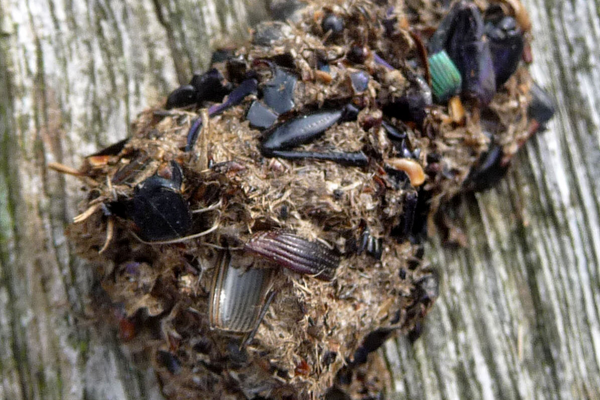
It’s also worth noting that, like all animal feces, owl poop can contain bacteria and other pathogens that can be harmful to humans. Therefore, it’s important to take proper precautions when cleaning up after owls or other wildlife, such as wearing gloves and washing your hands thoroughly afterward.
Do Owl Poop Mid Air?
No, owls do not poop mid-air. Like most birds, owls have a specialized opening called the cloaca, which serves as the common exit point for feces, urine, and reproductive products.
When an owl needs to eliminate waste, it will typically perch on a branch or other solid object and lower its body slightly to defecate. This behavior is known as “mutes” or “casting,” and the resulting droppings are typically a combination of solid fecal matter and liquid urine.
In rare cases, if an owl is startled or frightened while in flight, it may release a small amount of fecal matter as a defense mechanism. However, this is not a common occurrence, and owls generally do not defecate while in mid-air.
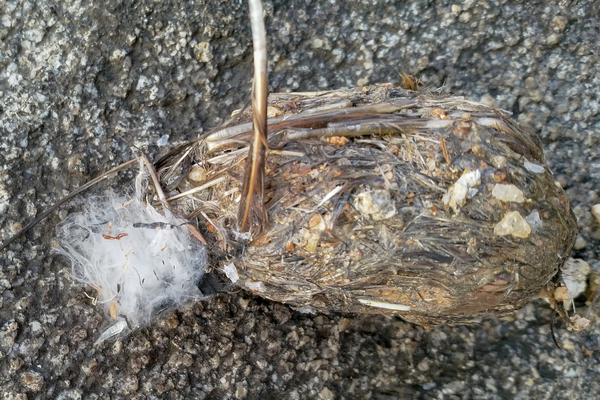
How We Can Identify Owl Poop:
Owl poop is typically elongated and cylindrical in shape, and can vary in size depending on the species of owl and its diet. In general, the poop may be around 1-3 inches long and 1 inch in diameter.
The color of owl poop can vary depending on the diet of the owl, but it is usually a shade of white or gray. If the owl has been eating prey with a lot of fur or feathers, the poop may have a darker color due to the presence of these materials.
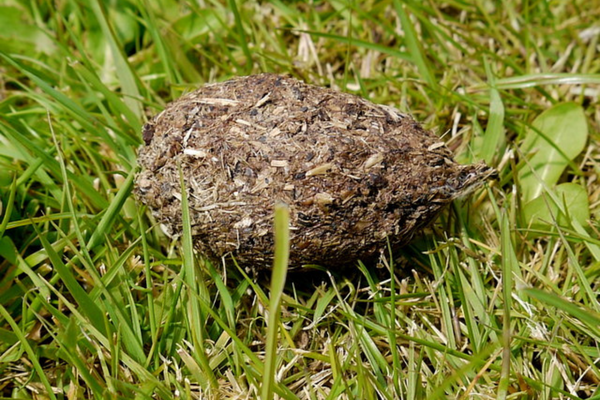
Texture: Owl poop is usually somewhat solid, but can be slightly moist or sticky. It may also contain some undigested parts of the owl’s prey, such as bones, fur, or feathers.
Location: Owls typically poop in the same locations repeatedly, so you may find their droppings in predictable places such as on branches, rocks, or other elevated surfaces.
If you’re trying to identify owl poop, it’s important to note that it can resemble the droppings of other bird species, so it’s best to look for other clues as well, such as the location and the presence of owl pellets (regurgitated indigestible parts of their prey).
How Scientists Use Owl Poop to Learn About Habitats, Prey, and Local Ecosystems
Although pellets attract more attention, owl poop plays a valuable scientific role of its own. Researchers often study the areas beneath roosts and nesting sites to look for small patterns in the droppings. The color, consistency, and quantity can reveal what type of prey the owl has been eating and how recently it fed. In dry climates, even tiny white streaks left behind on rocks or branches can indicate where an owl regularly perches.
Owl poop also helps biologists understand the condition of the habitat. When owls eat more insects than mammals, droppings can reflect a shift in local prey populations. When the brown component becomes lighter or inconsistent, it can point to nutritional stress or changes in food availability. Combined with pellet analysis, these clues help scientists track whether rodent populations are healthy, whether pesticides are affecting prey, and whether owl territories are expanding or shrinking factors that also relate to behavior patterns such as How Do Owls Sleep and rest within their environment.
Over time, these small details build a bigger ecological picture. Owl poop becomes a quiet record of what is happening in the landscape, from prey abundance to seasonal changes. Even though the droppings are small and easy to overlook, they carry surprisingly valuable information about both the owl and the world it lives in.
Does an owl’s diet change what its poop looks like?
Yes. When an owl eats mostly mammals, the brown part of the dropping tends to be darker. When it eats more insects or softer prey, the droppings can appear lighter or thinner. The white portion stays the same — that’s uric acid, which all birds produce.
Is owl poop dangerous to humans or pets?
It’s not something you want to touch with bare hands, but it’s no more dangerous than the droppings of other wild birds. Like any wildlife waste, it can carry bacteria. If you’re cleaning around a roost or nest box, gloves and hand-washing are enough.
Why do pellets last so long, but poop disappears almost immediately?
Pellets are tightly packed fur, feathers, and bones, things that don’t dissolve quickly. Droppings, on the other hand, are mostly moisture and uric acid. Sunlight, rain, or even dry wind breaks them down fast. Nature cleans up owl poop quicker than most people notice.
Related Post
- Leucistic Owls: Understanding a Rare Genetic Phenomenon
- Do Barred Owls Eat Squirrels : Uncovering the Truth
- Barn Owl Skull: A Look into Nature’s Design
- Barn Owl Feet: Understanding the Unique Anatomy
- Tawny Fish Owl: Facts, Habitat, and Conservation Efforts
- Rufous Owl : A to Z Guide
- What Does A White Owl Mean : A to Z Explanation
- Do Owls Eat Birds : Let’s Understand Why
- Baby Great Horned Owl – A to Z Guide
- Flammulated Owl : A to Z Guide