
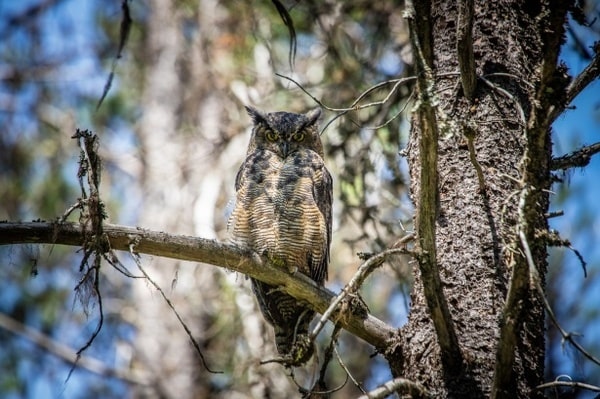
Owls don’t disappear during the day – they simply retreat to places where they can stay safe, cool and unnoticed. Most species spend daylight hours roosting, a behavior well-documented across owl research. Depending on where they live, they choose quiet spots such as dense foliage, tree hollows, rock crevices, barns, abandoned buildings, palm crowns, or shaded cliff ledges. Forest owls hide deep in vegetation, desert owls look for shade along rocks or burrows, and urban owls adapt to rooftops, ledges and quiet structures.
Their survival depends on camouflage, stillness and shelter, which help them avoid predators and conserve energy until nightfall. Studies show that owls reduce activity during the day and rely on their feather patterns and motionless posture to blend perfectly into their surroundings.
So while they may seem invisible, owls are nearby resting, conserving energy, and waiting for darkness when they naturally become active again.
Why Some Owls Roost in Forests, Others in Cities What Shapes Their Daytime Choices
Different owl species choose different roosting spots because each habitat offers its own type of safety. Forest owls such as Barred Owls and Great Horned Owls prefer dense vegetation where leaves and branches hide their outline. This type of cover helps them avoid larger predators and curious animals. Cavity nesting species such as Eastern Screech Owls choose tree hollows because the enclosed space provides temperature stability and protection.
Urban owls use structures that mimic natural shelter. Barn Owls often select abandoned buildings or lofts because these places stay dark and undisturbed. Some city dwelling Great Horned Owls roost on tall rooftops or balconies that give them a quiet and shaded perch. Owls do not choose these spots randomly. They look for consistent safety and minimal daytime disturbance.
Common reasons owls choose a roosting spot include
• Shade that keeps their body temperature stable
• Reduced noise or disturbance
• Protection from aerial predators
• Cover that enhances their camouflage
How Owls Get Through the Day Shade Shelter and the Art of Staying Silent
Owls move through daylight hours with a calm and careful strategy. They choose shaded places where the temperature stays stable and where their body can rest without overheating. Studies on owl thermoregulation show that their feathers provide strong insulation. This allows them to remain still for long periods without losing or gaining too much heat. Their habit of keeping a motionless posture also makes it much harder for predators to notice them because many forest and woodland predators rely on movement to detect prey.
Silence is equally important to their daytime survival. Owls instinctively limit sound and activity during daylight because this is when they are most vulnerable. Field observations confirm that most species stay tucked deep inside their roost and do not hunt until the evening. A few species such as Short Eared Owls and Burrowing Owls may be active during the day, but even they spend long stretches resting quietly.
Owls remain safe in daylight by
• Choosing shade that prevents heat stress
• Staying quiet and reducing movement
• Using their natural feather patterns to blend with bark, soil or stone
Where Do Owls Hide by Day A Simple Guide to Roosts Hollows and Rooftops
Owls do not simply disappear during the day. They slip into places that offer darkness, safety and the kind of quiet that allows them to rest without interruption. Different species choose different hiding spots, but all of them look for the same essentials which are shade, protection and a structure that keeps them out of sight. Tree hollows are one of the safest daytime shelters for many owls. These enclosed spaces mimic the darkness of night and shield them from weather and predators. Woodland species such as Barred Owls often settle inside thick foliage because leaves and branches break sunlight and hide their outline.
Burrowing Owls take a very different approach. They spend the day inside underground burrows that they dig themselves or borrow from mammals such as prairie dogs. In rocky landscapes, large species like the Eurasian Eagle Owl select ledges that sit deep in shadow. These spots stay cool and offer wide visibility if a threat appears.
Owls in towns and cities adapt surprisingly well. Barn Owls often choose abandoned buildings or lofts because these man made structures provide the same darkness and stability as tree cavities. Great Horned Owls may rest on tall roofs, quiet balconies or the protected beams of old barns. These places give them height, shade and minimal disturbance.
Typical places owls hide during the day include
• Tree hollows and natural cavities
• Dense pine or hardwood foliage
• Cliff ledges that stay shaded
• Underground burrows used by Burrowing Owls
• Barns, attics and quiet rooftops in urban areas

Daytime Survival Tricks of Owls Camouflage Cool Spots and Quiet Habits Explained
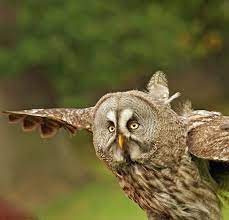
Owls get through daylight hours by relying on a mix of smart behavior and natural design. Their feathers are one of their strongest defenses. Many species have patterns that look almost identical to the places they rest. A Barred Owl can sit against a tree trunk and appear to melt into the bark. A Burrowing Owl blends easily with dry grass or sandy soil. These patterns work best when the owl stays completely still. Field biologists note that even a small movement can reveal an owl to predators such as hawks and eagles that are highly alert during the day.
Finding cool places is another part of their survival strategy. Heat can be dangerous for owls, especially in warmer climates. They often settle in shaded spots with natural airflow that protect them from direct sunlight. Desert species are known to choose roosts on the cooler side of rock faces or cliffs where the temperature stays lower throughout the day. By lowering their activity and staying quiet, owls conserve energy and avoid drawing attention until the evening when they become active again.
Their main daytime survival methods include
• Feather patterns that match their habitat
• Strong preference for cool shaded spots
• Reduced movement to avoid detection
From Desert Ledges to Urban Eaves How Habitat Changes Where Owls Sleep by Day
Owls do not choose the same type of daytime shelter everywhere. Their roosting habits change with the landscape around them, and each habitat offers its own kind of protection. In deserts, species such as the Elf Owl and the Burrowing Owl search for cool shadows under rocks or near burrow entrances. These shaded pockets stay noticeably cooler than the open ground and help shield them from the intense sunlight that dominates their environment. Burrows also give added safety from predators and weather.
Forest owls rely on a very different kind of cover. Tall trees, thick branches and layered leaves create deep shade that softens light and hides the owl’s shape. Species such as Barred Owls or Great Horned Owls take advantage of this natural darkness and select branches or tree hollows that stay quiet throughout the day.
Grassland species use the land itself as camouflage. Short Eared Owls often rest on the ground, tucked into tall grasses that match their feather color and make them nearly invisible. This vegetation breaks the wind, blocks harsh sun and protects them from being easily seen by aerial predators.
Urban owls use human made structures as if they were natural formations. Barn Owls settle inside barns, lofts and abandoned buildings that offer darkness and stability similar to tree cavities. Great Horned Owls may choose sheltered rooftops or building ledges where they can rest without frequent disturbance. These places provide height, shade and safety similar to cliffs or tall trees.
How habitat shapes roost choice
• Forest provides foliage and tree hollows
• Desert provides rock shade and burrows
• Grasslands provide tall vegetation cover
• Cities provide rooftops, attics and structural ledges
Related Post
- Do Owls Eat Birds : Let’s Understand Why
- Do Owls Blink – Lets Understand The Science Behind It
- Do Owls Attack Humans : Let’s Understand It Why
- Do Hawks Eat Owls – Explanation
- Do Owls Eat Chickens – Explanation
Resources
- askinglot.com
- birdwatchingdaily.com