
Owls don’t follow a predictable timeline the way many people imagine. Their lifespan depends less on a built-in limit and far more on what they manage to survive. In most wild populations, small and medium species reach about 3–7 years, while larger owls such as Great Horned or Snowy Owls may live 10–20 years when conditions are stable. But banding studies show that some individuals can far exceed these numbers, especially in captivity, where several species have reached 25–30 years.
For wild owls, the challenge isn’t aging-it’s staying alive long enough to age at all. Many young owls don’t make it past their first winter because of starvation, severe weather, predators, or the simple struggle of learning to hunt. Human activity adds more risks: cars, power lines, window strikes, and rodenticides quietly shorten their lives without people noticing. Because every species faces different pressures, their lifespans vary widely. Understanding how long owls live starts with understanding the obstacles they face, not just the years they can potentially reach.
Why an Owl’s Lifespan Isn’t About Time-It’s About What the Bird Survives
When researchers study owl lifespans, they rarely begin with a simple number. They start with the conditions an owl has to face. These birds live in a world where survival depends on what each day brings, not on a fixed lifespan written into their biology. An owl that grows old does so because it has successfully navigated every challenge thrown at it: food shortages, storms, predators, and the constant fight for safe territory.
Smaller owls live faster lives. Their tiny bodies lose heat quickly, they burn energy at a higher rate, and almost everything around them poses a threat. Larger owls, on the other hand, can defend territory more easily and ride out harsh weather with far less risk. But even a powerful owl can lose years of potential life from a single brutal winter or an unexpected collapse in prey populations.
What ultimately shapes an owl’s lifespan is a mix of territory quality, winter survival, competition, disease, and the pressures humans add to the landscape. Owls do not grow old because time is kind to them. They grow old because they survive more than most birds ever do.
Why Most Owls Don’t Make It Past Their First Winter
For young owls, the first winter is the moment that decides everything. Once they leave the nest, they are suddenly responsible for their own survival. They must learn to hunt without the guidance of their parents, find small pockets of temporary territory, and make it through long, cold nights with very little stored fat. Many simply do not catch enough prey to keep themselves alive, especially species that rely heavily on small mammals. A single night of missed hunting can be the difference between life and death.
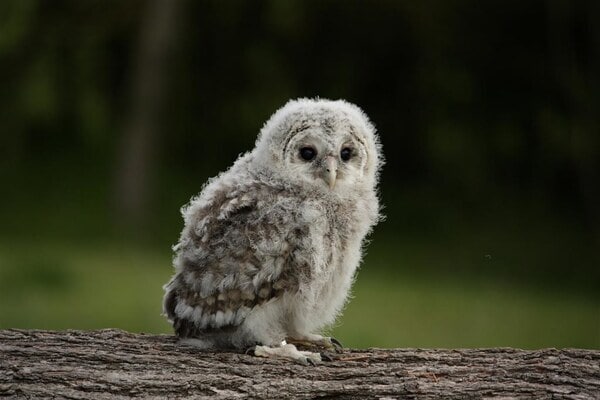
Long-term field studies reveal a harsh truth: more than half of all juvenile owls die in their first year. Some studies even place that number closer to seventy percent. This is why the average lifespan of an owl often appears so short. It is not because owls cannot live long lives, but because many never make it to adulthood.
Their earliest challenges are stacked against them. Young owls lack hunting experience, face starvation when prey populations dip, and are vulnerable to sudden winter storms. They must also avoid larger raptors that see them as easy targets and compete with older adults for whatever space is available.
How Human Activity Shortens an Owl’s Life Without Anyone Noticing
Owls have survived harsh winters, predators, and competition for thousands of years, but the challenges they face today are very different from the ones their ancestors knew. The most dangerous threats now come from people, often without anyone realizing it. Because owls are quiet, mostly nocturnal, and rarely seen up close, their struggles tend to unfold in the background of our everyday lives.
One of the biggest risks comes from roads. Owls are drawn to the edges of highways and rural roads because rodents gather there, and this places them directly in the path of vehicles. Many also ingest poisoned prey after humans use rodenticides, and the toxins slowly weaken or kill them. In towns and suburbs, reflective windows create invisible barriers that owls collide with during low-light hunting flights. Habitat loss makes life even harder, as old trees, natural cavities, and open hunting grounds disappear. Large species also face electrocution risks on power lines that were never designed with wildlife in mind.
None of these dangers stem from bad intentions. They happen simply because owls live among us, adapting to our spaces without us noticing. Yet each of these quiet pressures takes years away from their natural lifespan, often long before the bird has a chance to reach old age.
How Long Do Different Owl Species Live? A Simple Breakdown
How long an owl lives depends heavily on the species. When researchers compare long-term banding records, a clear pattern emerges: tiny owls age quickly, medium owls sit in the middle, and the giants of the owl world are the ones most likely to reach old age.
The shortest lifespans belong to small owls such as the Eastern Screech Owl, the Northern Saw-whet Owl, and the Elf Owl. These species typically survive only three to seven years in the wild. Their small bodies lose heat quickly, they burn through energy fast, and they face predators almost every day. A few individuals manage to beat the odds, but most live brief, intense lives.
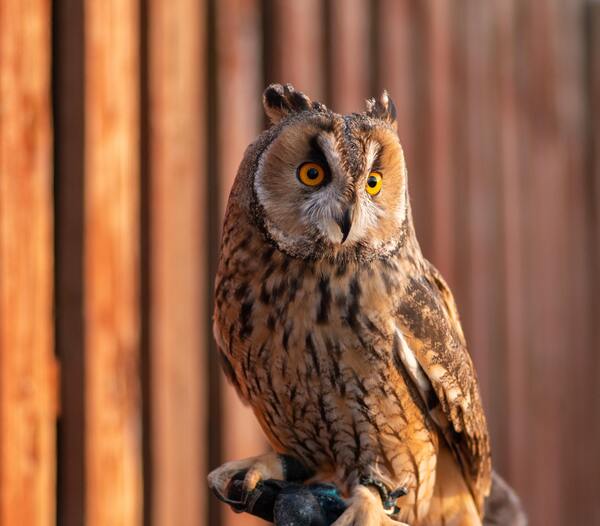
A little higher on the scale are medium-sized owls like the Barn Owl, Barred Owl, and Long-eared Owl. These birds often reach five to twelve years in the wild, depending on how stable their territory is and how harsh their winters become. When food is plentiful and storms are mild, many of them live long enough to raise several generations of young.
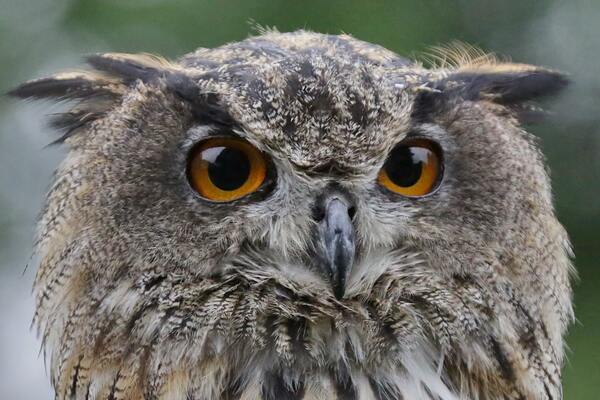
Then come the large owls, the species most people imagine when they think of longevity. The Great Horned Owl, Snowy Owl, and Eurasian Eagle-Owl can live ten, fifteen, or even twenty years when conditions are favorable. Their size, strength, and territorial dominance protect them from many of the threats smaller species cannot avoid.
In captivity, the picture changes dramatically. With reliable food, medical care, and protection from predators, most species can reach twenty to thirty years or more. These extended ages reveal the full potential of an owl’s lifespan when the risks of the wild are removed.
What Scientists Discover When They Study Old Owls in the Field
Owls that grow truly old in the wild are rare, which is why every long-term study of them feels like opening a small window into a hidden world. When researchers track these older birds through banding records and field observations, they often find that aging in owls is far more subtle than people expect. Owls do not gray, slump, or slow down the way many mammals do. A seasoned owl can look almost identical to a younger adult, and the real signs of age show up not in their appearance, but in the life they have managed to build.
Old owls usually hold exceptional territory, the kind of land where prey remains steady year after year. Many maintain long, stable bonds with mates, and their experience in hunting gives them a calm efficiency that younger birds simply cannot match. Decades of nesting attempts also mean that these individuals understand their landscape deeply, from the safest roosts to the best hunting routes traits that often lead people to ask Are Owls Smart when observing their behavior.
One of the most surprising findings from long-term banding studies is that older owls often remain highly capable hunters. A Great Horned Owl in its mid-teens can still hunt with precision as long as it controls a strong territory. Age, on its own, does not diminish their ability; environmental stability matters far more.
Scientists also note that very few owls die of what we would consider natural old age. Most eventually succumb to injuries, starvation during harsh winters, or hazards created by humans. Because of this, observing a wild owl that has reached an advanced age is incredibly rare, and each one offers valuable insight into how well these birds can endure when everything aligns in their favor.