
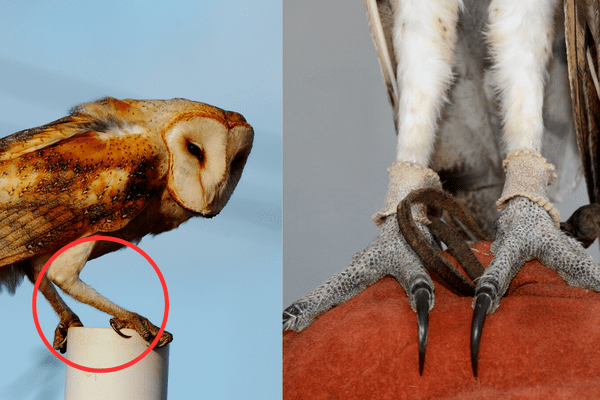
Barn owl feet are designed for control, accuracy, and silent hunting, and most of what they do at night depends on how those feet are built. Each foot has long, narrow toes with a reversible outer toe, letting the owl switch between a three-forward/one-backward grip or a two-and-two zygodactyl hold. This small detail gives them better balance on branches and a steadier grip on prey that moves or twists when caught.
Their talons are sharp but not oversized; barn owls don’t overpower prey through crushing force the way heavier owls do. Instead, they use a quick, accurate pinning action guided by sound, and the feet respond instantly thanks to the many touch-sensitive receptors along the toes. A natural tendon-locking system takes over once they clamp down, so the owl doesn’t need constant muscle effort to hold on.
If you understand these features-reversible toes, sensitive grip, locking tendons-you understand why barn owls hunt the way they do. Their feet are built for precision, not brute strength, and this structure explains how a light bird can reliably capture quick, ground-moving animals in near-total darkness.
Why a Barn Owl’s Foot Structure Works So Well in the Wild
A barn owl’s foot may look delicate at first glance, but every part of it is shaped by the demands of hunting in low light. These owls rely on quick drops from the air and split second reactions to catch animals that rarely stop moving. For this kind of work, their feet need to land exactly where the owl intends, settle instantly, and stay locked on without hesitation. The long and narrow toes give the owl extra reach during a strike while keeping its overall body extremely light, something that helps preserve the silent flight barn owls are known for. One of the most useful features is the outer toe, which can rotate backward when needed. This simple adjustment lets the owl shift between different grip patterns, giving it better balance on uneven perches and better control when handling prey that twists or kicks.
The toes are not only tools for gripping but also important sensory organs. They are lined with touch sensitive receptors that allow the owl to feel movement the moment it makes contact. This sensitivity becomes crucial because barn owls often locate prey by sound rather than sight. When they strike in low light, they rely heavily on feedback from their feet to make small corrections. As soon as the toes close, a flexor tendon system inside the foot tightens automatically. This creates a natural locking effect that allows the owl to hold its catch without using much muscle strength. The foot simply stays clenched until the owl chooses to release it.
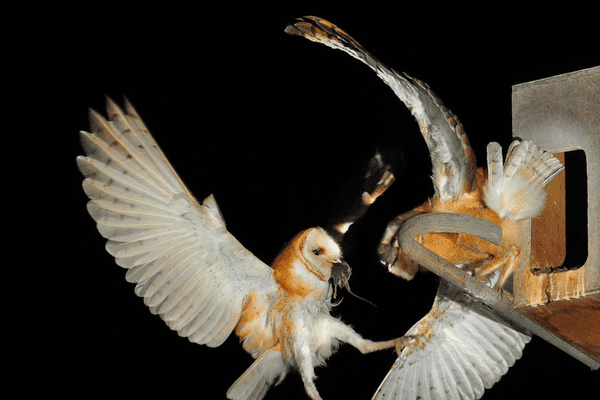
When all of these features work together, they create a hunting system built more on accuracy and timing than on brute force. A barn owl does not need to crush its prey. It needs to pin it cleanly, hold steady, and finish the job with controlled efficiency. The structure of its feet supports this perfectly, allowing the bird to thrive in open fields, grasslands, broken farmland, and old buildings where small mammals stay alert, move quickly, and rarely give second chances.
Barn Owl Feet Explained: Structure, Grip, and Hunting Ability
Barn owl feet bring together structure and function in a way that allows the bird to hunt with surprising efficiency despite its light build. Each foot carries four toes tipped with sharply curved talons, but the real advantage lies in how those toes move and how much information they give the owl during a strike. When a barn owl drops toward its target, it does not rely on raw strength. It relies on timing and accuracy. The long toes open wide just before impact, creating more contact with the surface below. This wider reach helps the owl settle directly on top of a moving animal and reduces the chance of a misplaced strike.
Although barn owls do not have the crushing grip strength of larger owls, their feet are perfectly suited for the type of prey they hunt. Small mammals like mice and voles do not require overwhelming force. What matters is a quick pin and an unbroken hold. The talons curve inward as soon as they touch the prey, hooking securely without needing heavy pressure. At that exact moment, the flexor tendons inside the toes tighten on their own. This natural tightening locks the grip in place so the owl can hold its catch with very little effort. The bird does not need to squeeze continuously. The structure of the foot does the work for it.
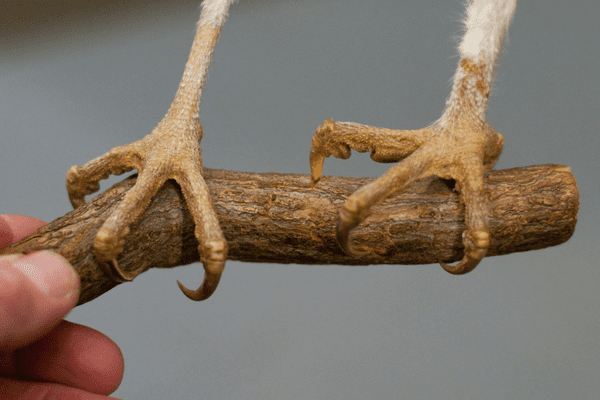
These features blend seamlessly with the barn owl’s hunting style. The owl moves silently through the air, detects prey largely by sound, and commits to a fast downward strike that must land in exactly the right spot. The sensitivity in its toes helps the owl make tiny adjustments the moment they touch the ground or the body of the prey. The tendon lock keeps the animal secured while the owl finishes the capture with its beak. Everything about the foot, from the length of the toes to the automatic tightening of the tendons, supports a hunting method that values precision over sheer power.
This combination is the reason barn owls perform so well at night. Their bodies are lighter and their bones more delicate than those of many other raptors, yet their feet are perfectly matched to their hunting needs. The structure of the foot gives them control, stability, and accuracy, allowing them to take prey efficiently in open landscapes where quick reactions make the difference between success and failure.
What a Barn Owl’s Feet Reveal About Its Hunting Style
A closer look at barn owl feet offers a clear picture of how the bird hunts. Everything about their shape and movement points to a hunter that depends on speed, reach, and control. Barn owls rarely overpower their prey through strength alone. Instead, they rely on sudden drops from above and a strike that must land with exact placement. Their feet are built for that kind of precision. While larger owls can win through sheer pressure, a barn owl succeeds by making contact in the right place at the right moment and then holding steady.
The reversible outer toe is one of the clearest clues to this style of hunting. It allows the owl to adjust its grip instantly depending on how the prey twists or tries to escape. The sensitivity in the toes is another important detail. It gives the owl immediate feedback during the strike, especially in low light when sound plays a larger role than sight. The long and narrow toes also reveal a preference for reach and accuracy rather than crushing power. They allow the owl to spread its foot wide over a moving animal and settle quickly into a stable hold, a balance and control that also influence How Do Owls Sleep while perched.
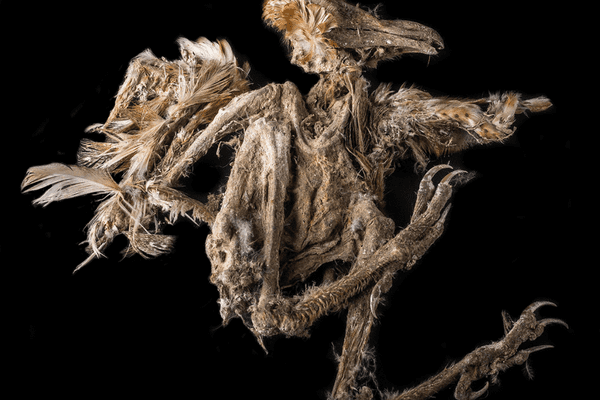
Together, these traits create a hunting style that is clean and efficient. Barn owls do best in open fields and grasslands where small mammals move quickly and rarely stay exposed for long. The owl must locate them by sound, commit to a fast descent, and secure them before they can disappear into cover. Its feet are shaped for exactly that sequence. They give the owl the ability to adjust mid strike, pin the prey firmly, and finish the capture without a prolonged struggle.
Barn owl feet are more than tools for gripping. They reflect the entire hunting strategy of the species. Every part of their structure points to an animal that evolved to take quick, agile prey in the dark with remarkable consistency.
Related Post