
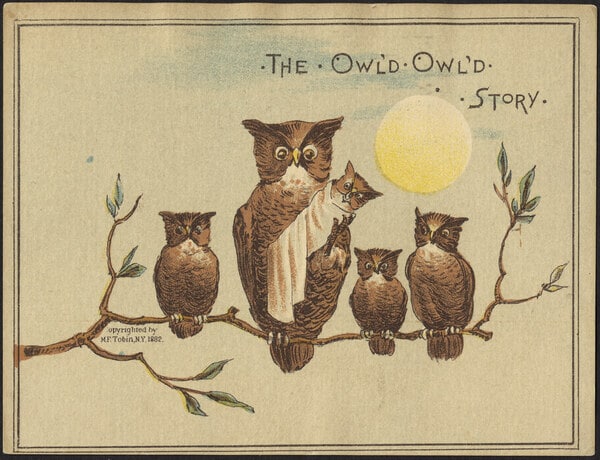
Owls can be seen as good luck or bad luck, and the difference comes entirely from culture-not from the bird itself. In places like ancient Greece, India, Japan, and many Native American traditions, owls are viewed as symbols of wisdom, protection, prosperity, or spiritual awareness. These ideas come from well-documented sources: Athena’s owl in Greek mythology represented intelligence and victory, Japanese folklore treats owls (fukurō) as charms for good fortune, and several Indian traditions link the barn owl with Lakshmi, the goddess of wealth.
On the other hand, some societies in Europe, the Middle East, and Africa have historically seen owls as warnings or omens. This comes from their nighttime activity, haunting calls, and the fear people once had of animals associated with darkness. Researchers note that these negative beliefs reflect cultural storytelling—not anything dangerous or mystical about owls themselves.
Today, the positive side of owl symbolism is far more common. People use owls in art, jewelry, home décor, and school emblems because they’re now widely associated with good fortune, learning, and insight. In the end, whether an owl is considered good luck depends on where you’re from and what traditions you grew up around, rather than anything supernatural about the bird.
Why Owls Bring Good Luck in Some Traditions And Misfortune in Others (Explained With Facts)
Across the world, owls carry completely different meanings, and those beliefs come from cultural stories rather than anything the bird actually does. In many places, owls are admired as wise, protective, and spiritually powerful animals. But in other regions, they are treated with caution or linked to bad signs. These contrasting views started long before modern science, at a time when people understood nature mainly through symbolism, religion, and oral traditions.
Here are the real reasons the same bird can represent both luck and warning:
Positive Beliefs (Good Luck & Prosperity)
- Ancient Greece: The owl of Athena symbolized wisdom, victory, and protection.
- Japan: Owls (fukurō) are considered charms of luck, safe travel, and protection from hardship.
- India: The barn owl is connected to Lakshmi, the goddess of wealth and prosperity.
- Native American cultures: Some tribes view owls as protectors or symbols of sacred knowledge.
Negative Beliefs (Bad Luck & Omens)
- Parts of Europe: Owls were linked to misfortune due to their night calls and solitary nature.
- Middle Eastern folklore: Nocturnal animals were often associated with warnings.
- Some African traditions: Owls were connected to spiritual danger because they appear at night.
The mixed symbolism doesn’t come from the owl itself it comes from how people interpreted its behavior long before animals were scientifically understood.

Owls as Omens? The Fascinating Proof That Luck Depends on Culture, Not the Bird
When researchers compare global folklore, one pattern repeats: every belief about owls good or bad reflects the values of a culture, not the nature of the animal. Communities that admired intelligence, spiritual insight, or the night sky often treated owls with respect. Societies that feared the dark or nighttime spirits interpreted the owl’s call as a warning.
Modern science shows that owls are simply nocturnal hunters with excellent vision and silent flight. They do not predict events, bring misfortune, or deliver supernatural messages. The omen idea is a cultural story passed through generations, not a biological truth.
Key reasons cultures developed their own meaning for owls:
- Nocturnal behavior made them mysterious in pre-electricity times.
- Silent flight felt supernatural to ancient observers.
- Large eyes and forward-facing face resembled human expressions, making them symbolically powerful.
- Their presence at night connected them to spiritual beliefs, both positive and negative.
These interpretations shaped belief systems, but none reflect the actual behavior of the bird.
From Ancient Temples to Modern Homes: How Owls Became Symbols of Wisdom, Wealth, and Warning
Throughout history, owls have appeared in art, temples, coins, manuscripts, and religious stories. Each appearance shaped the bird’s reputation in different ways.
In ancient Greece, the owl sat beside Athena on statues and temple walls. Its image even appeared on Athenian currency, representing protection and intelligence for the city-state. In Japan, owl charms and sculptures were believed to bring safety and luck to travelers and families. In India, the owl’s association with Lakshmi made it a symbol of good fortune and prosperity during certain festivals.
Other regions recorded owls in a different light. Medieval European manuscripts often portrayed owls as lonely night creatures connected with misfortune, reflecting the era’s fear of darkness and the unknown. African and Middle Eastern stories often placed owls within spiritual warning traditions, shaped by nighttime folklore, illustrating how interpretations vary when exploring What Do Owls Symbolize across cultures.
These historical symbols still influence how people see owls today some with admiration, others with caution but always through cultural meaning, not biological behavior.
Historical Influences That Shaped Owl Symbolism:
- Religious art and temple carvings
- Mythological stories (Athena, Lakshmi, Japanese folklore)
- Pre-scientific interpretations of nocturnal animals
- Regional beliefs about spirits, guidance, or protection
Why People Still Consider Owls Lucky Today Even When Folklore Says Something Different
Even in regions that once viewed owls with fear or suspicion, people now see them in a completely different light. As our understanding of wildlife has grown, the old ideas about owls being omens or warnings have faded. Today, many people associate owls with knowledge, intuition, and clarity, not misfortune. You can see this shift everywhere in home décor, jewelry designs, school mascots, children’s books, and brand logos where the owl consistently appears as a symbol of wisdom and insight.
This change didn’t happen by accident. A few real-world influences helped reshape how people interpret owls:
What Changed Public Perception:
- Scientific education replaced older superstitions tied to nocturnal animals.
- Cultural exchange introduced positive owl symbolism from places like Greece, Japan, and India to the rest of the world.
- Movies, books, and media regularly portray owls as wise mentors or protectors.
- Modern spirituality often views owls as symbols of awareness, clarity, or inner guidance.
Because of these influences, the belief that owls bring good luck has become far more common than the idea that they represent something negative. In reality, owls themselves don’t carry luck people assign meaning based on the stories and traditions they grew up with. That’s why, depending on your cultural background, an owl might symbolize prosperity, wisdom, mystery, or caution. The symbolism comes from us, not from the bird.
Related Post
- Do Owls Blink – Lets Understand The Science Behind It
- Baby Great Horned Owl – A to Z Guide
- Do Owls Eat Birds : Let’s Understand Why
- Do Owls Attack Humans : Let’s Understand It Why
- Flammulated Owl : A to Z Guide