
When you hear an owl, it usually means the bird is doing something very normal for its species-communicating. Owls use their calls to claim territory, locate a mate, or check in with other owls nearby. Because they’re mostly active after sunset, we notice their voices more at night, when the world is quieter and their calls travel farther.
The meaning behind the sound depends on the type of call. A steady hoot often marks territory, while sharper cries, screeches, or trills belong to other species or younger owls. If an owl keeps calling again and again, it’s often tied to breeding season, protecting a nest, or responding to another owl in the area.
Hearing an owl close to your home is usually a sign that your surroundings support good wildlife-enough prey like mice, safe roosting spots, or natural cover that owls rely on.
So when you hear an owl, it isn’t a warning or an omen. It’s simply nature communicating around you. The sound gives you a small window into how owls live, why they choose certain places, and what’s happening in the ecosystem at that moment.
What an Owl’s Call Is Trying to Say
When you hear an owl calling, the sound usually has a clear purpose rooted in behavior and survival. Owls do not vocalize without reason. Their call is often a way to mark their space, signal their presence to rivals, or communicate with a mate. Many species defend individual territories, so a hoot can act like a natural announcement that the area is already taken. During the breeding season, calling becomes even more meaningful. Males often call more often to attract a female or to guide her back to a nesting site. Some calls also work as contact sounds that help pairs stay in touch while hunting separately in the dark.
Although every species has its own style of vocalizing, the reasoning behind the calls is similar across the owl family. The sound is not mystical or symbolic in a supernatural sense. It is an insight into how the bird interacts with its surroundings and other owls. Hearing one is often just a sign that an owl is going about its normal routine. (U.S. Forest Service-Owl Territorial Behavior Source – Link)
Why You Hear Owls More at Night
Owls are naturally more active after sunset. Most species rely on darkness to hunt small mammals, insects, or other prey that move at night. Their calls blend into this schedule. When the world quiets down after evening, an owl’s voice becomes easier to notice. Night air is cooler and more stable, which helps sound travel farther, so a single call can seem much closer or louder than it actually is.
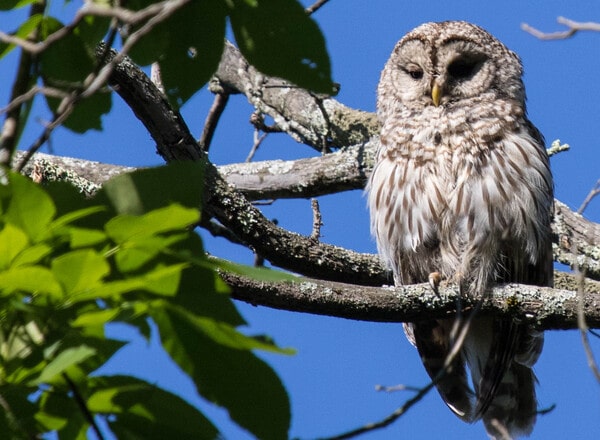
Many owls also choose nighttime to reinforce their territory, to look for mates, or to warn away competing owls. Because these behaviors peak after dark, people often associate owl calls with nighttime even though a few species are active during daylight hours. In most cases, the nighttime calling is simply an extension of their natural rhythm.
How Different Owl Sounds Carry Different Messages
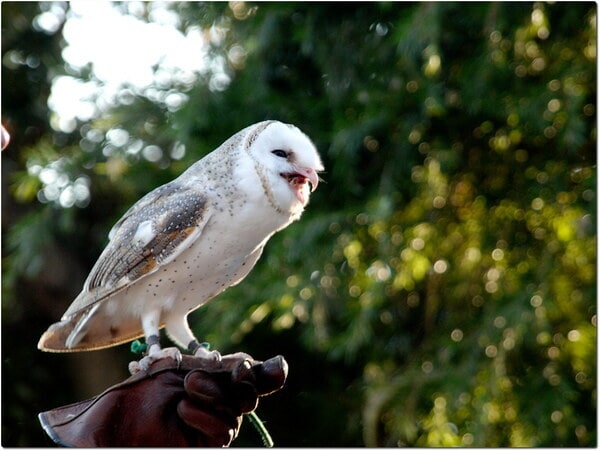
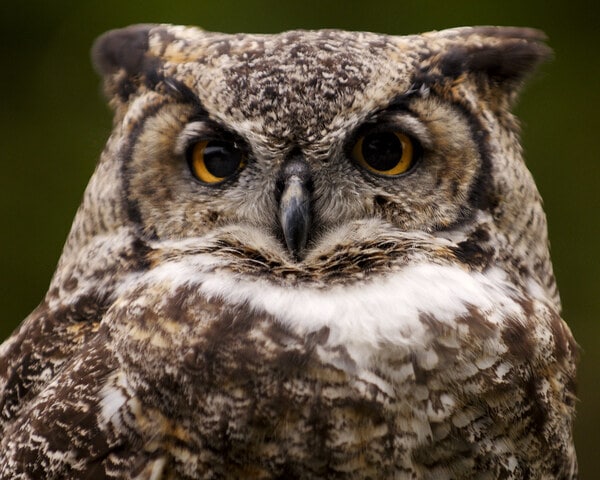
Owls do not all sound the same, and their calls serve different purposes. A steady hoot is often territorial and tends to come from larger species such as the Great Horned Owl or the Eurasian Eagle Owl. Shorter or more rapid calls can serve as contact sounds between mates or family members. Some owls do not hoot at all and instead use high screeches, whistles, or trills. Barn Owls, for example, produce a long, harsh call that sounds completely different from the classic hoot but communicates just as effectively.
Young owls have their own vocal style as well. Juveniles often make higher pitched begging calls when they are hungry or trying to locate a parent. Each sound reflects something real happening in the bird’s life. Once you recognize that different calls carry different messages, the meaning behind them becomes easier to understand and much more interesting.
Does Hearing an Owl Repeatedly Mean Something?
Repeated calling usually has a practical explanation. An owl may be establishing a nesting territory and wants other owls to stay away. During courtship, males sometimes call many times in the same night to get the attention of a female or to guide her toward a perch or nest cavity. If two owls are calling back and forth, they may be negotiating territory boundaries or participating in pair communication.
A long series of calls can also mean the owl has detected a threat or disturbance near its nest. In those moments, the calls are not meant for you at all. They are directed at other animals, often other owls. Hearing an owl repeatedly is simply a sign that something is happening in its world, whether that is breeding season activity, territorial behavior, or normal communication within a pair.
What an Owl Near Your Home Can Reveal About Your Area
If an owl chooses to spend time near your home, it usually means the environment offers what the bird needs. Owls settle in places where prey is plentiful, such as mice, voles, insects, or small birds. They also look for safe perches like mature trees, barns, or sturdy rooftops where they can rest or hunt from. An owl calling nearby often hints at a healthy local ecosystem with enough food to support a top predator.
Hearing an owl close to your home does not imply danger or any form of negative sign. Instead, it suggests that the natural balance in your surroundings is good enough to attract a species that relies on a stable habitat. For many people, this becomes a rare chance to witness wildlife behavior up close without disrupting the bird’s routine, which often contrasts with symbolic interpretations such as What Does It Mean When You Dream About Owls.
First Owl Call I Ever Heard and How I Nearly Overreacted
The first time I ever heard an owl was during a quiet stay in a remote part of northern Maine. The area was peaceful in a way I wasn’t used to, the kind of quiet where even a single rustle in the trees feels important. I was sitting outside a small cabin one evening, wrapped in a blanket and trying to enjoy the cool air, when a deep call suddenly echoed from the forest.
For a second, I wasn’t entirely sure what I had heard. It was unfamiliar, steady, and somehow carried a sense of confidence. When the sound came again, I realized it was an owl. I had never heard one in person before, so the moment caught me off guard in a surprisingly gentle way. I remember smiling to myself, partly because I felt calm and partly because I had not expected nature to speak so clearly that night.
Looking back, I laugh a little at how long I sat there listening, trying to understand what the owl might be saying. At the time, I imagined all sorts of meanings behind the call, when in reality the owl was probably just going about its usual routine. It wasn’t sending a warning or making anything dramatic happen. It was simply living its life in the quiet of the woods, and I was lucky enough to hear it.