
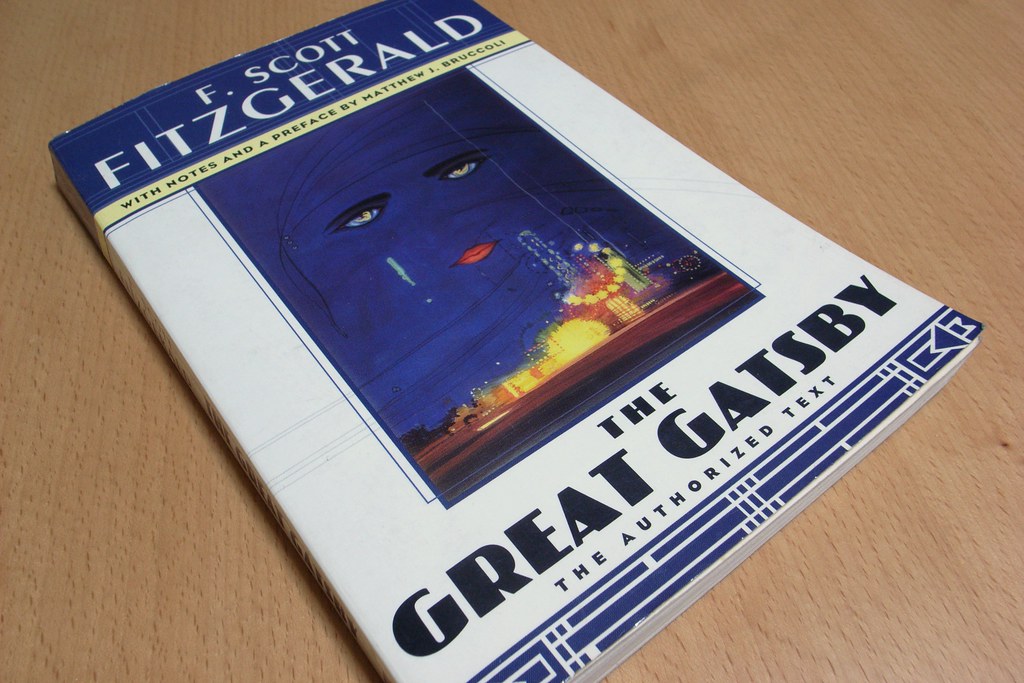
Owl Eyes is the kind of character most readers barely notice on a first read of The Great Gatsby, and then wonder later why he feels oddly important. He shows up drunk at a party, poking around Gatsby’s library, and somehow ends up being one of the few people who actually understands what’s going on. This content takes that small, strange moment and shows why it matters far more than it seems.
The piece explains how Owl Eyes becomes the novel’s quiet truth-checker, noticing details everyone else ignores, especially the fact that Gatsby’s books are real but never read. That single observation opens up Fitzgerald’s larger theme of appearance versus reality. The summary also unpacks the meaning behind Owl Eyes’ name, linking it to observation, awareness, and moral distance rather than wisdom or heroism.
Finally, it looks at Owl Eyes’ reappearance at Gatsby’s funeral and why that brief return says more about loyalty and emptiness than any grand speech. By the end, readers see Owl Eyes not as comic relief, but as the novel’s most honest witness—someone who saw the truth early, even if he couldn’t change the ending.
Owl Eyes in Gatsby’s Library
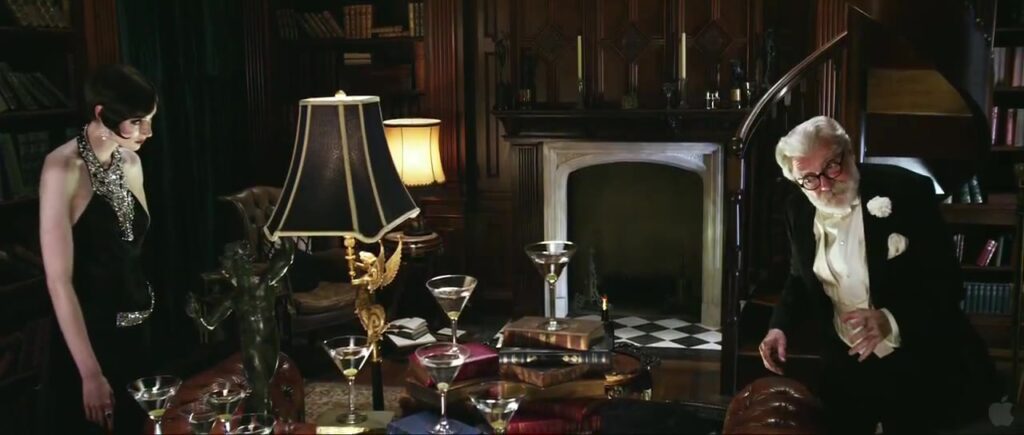
Owl Eyes enters the story in Chapter 3, right in the middle of one of Gatsby’s over-the-top parties. While guests spill drinks, exchange rumors, and treat the mansion like a free amusement park, Owl Eyes wanders off into the library. This alone makes him different. Everyone else is impressed by the music and champagne; Owl Eyes is impressed by shelving.
What stops him short is the discovery that Gatsby’s books are real. Not painted cardboard. Not hollow props. Actual books, with printed pages and proper bindings. He pulls one out, checks it, and reacts with genuine amazement, as if this were the most unexpected thing in the house.
This moment matters because Gatsby’s world runs on appearances. Most guests assume everything is fake because they never bother to look closely. Owl Eyes does. Even though he is clearly drunk, he is the only person at the party who tests the illusion instead of applauding it.
Fitzgerald quietly flips expectations here: the sober, respectable guests see nothing, while the drunk man in the library sees the truth. In Gatsby’s world, perception does not belong to the most polished people-it belongs to the ones who actually stop and look.
The Meaning Behind Gatsby’s Unread Books
After the initial shock wears off, Owl Eyes notices a quieter detail that matters even more: the books have never been read. Their pages are still uncut, which means they have never been opened by a reader. Gatsby owns a library, but he does not use it.
This detail turns the books into one of the novel’s sharpest symbols. They look impressive, they cost money, and they signal status, but they are there mainly to be seen. Much like Gatsby himself, they perform the idea of refinement without ever fully living it.
Owl Eyes does not call Gatsby a fake. That is important. The books are genuine, just unused, and so is Gatsby’s identity. He has the right materials in place, but they serve as props rather than experiences.
Owl Eyes understands this immediately, while the rest of the guests remain distracted by the champagne and the orchestra. Fitzgerald’s point is subtle but clear: owning the symbols of culture is easy; understanding them is something else entirely.
Owl Eyes at Gatsby’s Funeral
Owl Eyes appears one last time in Chapter 9, and the setting could not be more different. The music is gone, the lights are off, and Gatsby’s house is no longer a magnet for strangers. Almost no one shows up. The crowds that once filled the lawn disappear the moment there is nothing left to enjoy.
Owl Eyes does come. That fact alone gives his earlier observations real weight. He was never impressed by the party, and now he is not afraid of the silence either. At the graveside, his reaction is simple and blunt, not poetic or sentimental. Yet it is one of the few genuinely human responses Gatsby receives after his death, reinforcing reflections on What Do Owls Symbolize in literature as figures of insight, clarity, and truth beyond illusion.
This moment throws the rest of the novel into sharp relief. Characters like Tom and Daisy move on without a backward glance, protected by wealth and carelessness. Owl Eyes, the man who noticed the unread books, is also the man who acknowledges the cost of the dream.
Fitzgerald closes the story quietly here. In the end, awareness-not money, charm, or spectacle-is what creates the closest thing to loyalty in Gatsby’s world.