
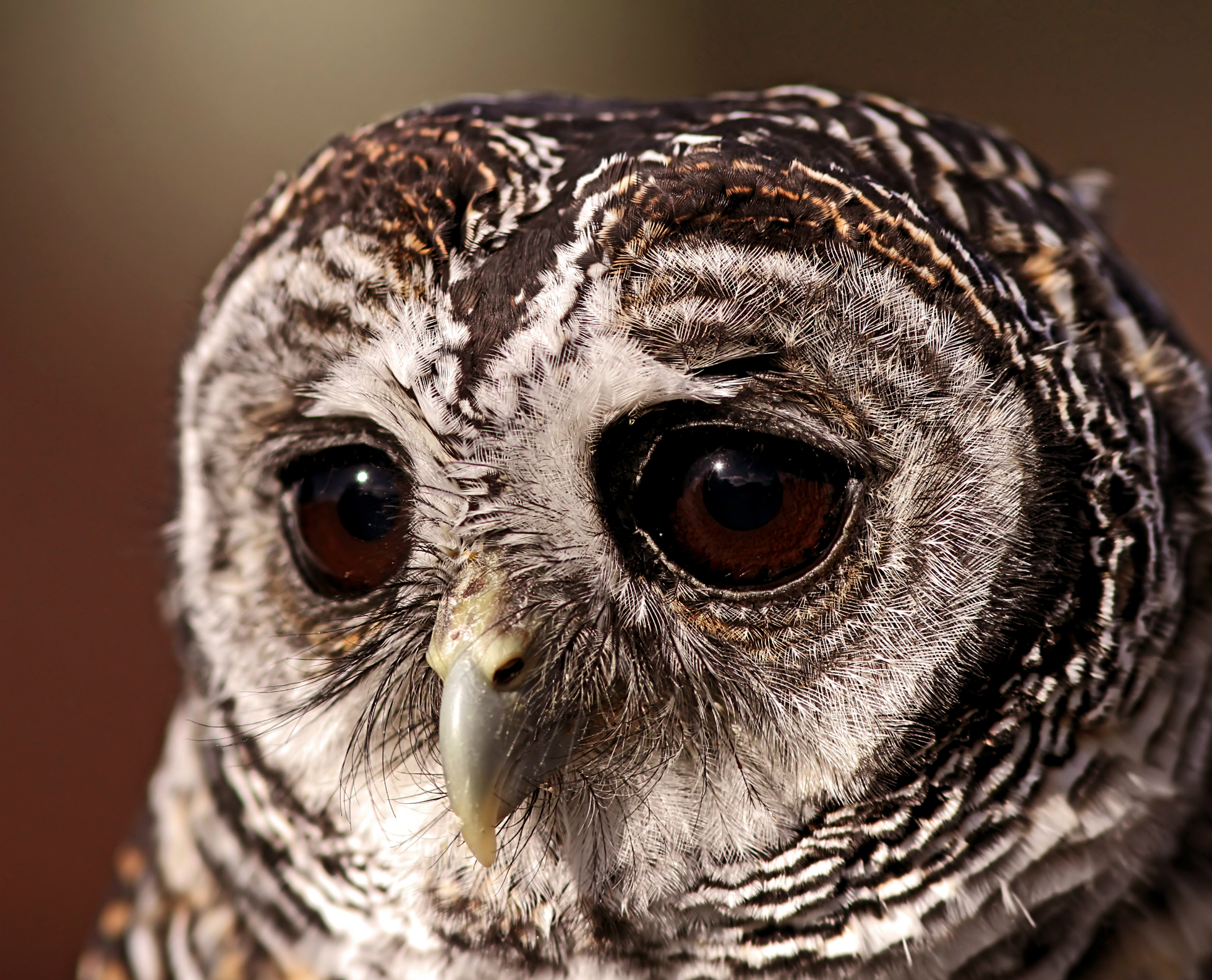
Owls don’t look sad because they feel sad. They look sad because their faces are built in a way that quietly confuses the human brain. Large forward-facing eyes, a perfectly round facial disc, thick layers of feathers, and a small downward-angled beak combine to create an expression we instinctively read as tired, serious, or slightly disappointed in us. From a biological perspective, those same features are not emotional signals at all.
They exist to improve night vision, sharpen hearing, and help owls hunt with extreme precision in low light. In reality, a sad-looking owl is usually healthy, alert, and calmly monitoring everything around it. What we are reacting to is not emotion but anatomy, mixed with our very human habit of assigning feelings to faces that look even remotely familiar. In short, owls are not unhappy. They simply have resting owl face, and evolution decided it was very efficient.
The Anatomy Behind an Owl’s “Sad” Expression
An owl’s face looks expressive to us, but from a biological point of view, it is a highly specialized tool, not an emotional display. The features that make owls elite nocturnal hunters also happen to line up almost perfectly with what the human brain associates with sadness or fatigue.
The most important feature is the owl’s forward-facing eyes. Unlike most birds, whose eyes sit on the sides of the head, owls evolved front-facing eyes to create binocular vision. This allows precise depth perception in low light. Humans are wired to read emotion from forward-facing eyes, so when we see an owl staring straight ahead with large, unblinking pupils, our brains immediately search for feelings that are not actually there.
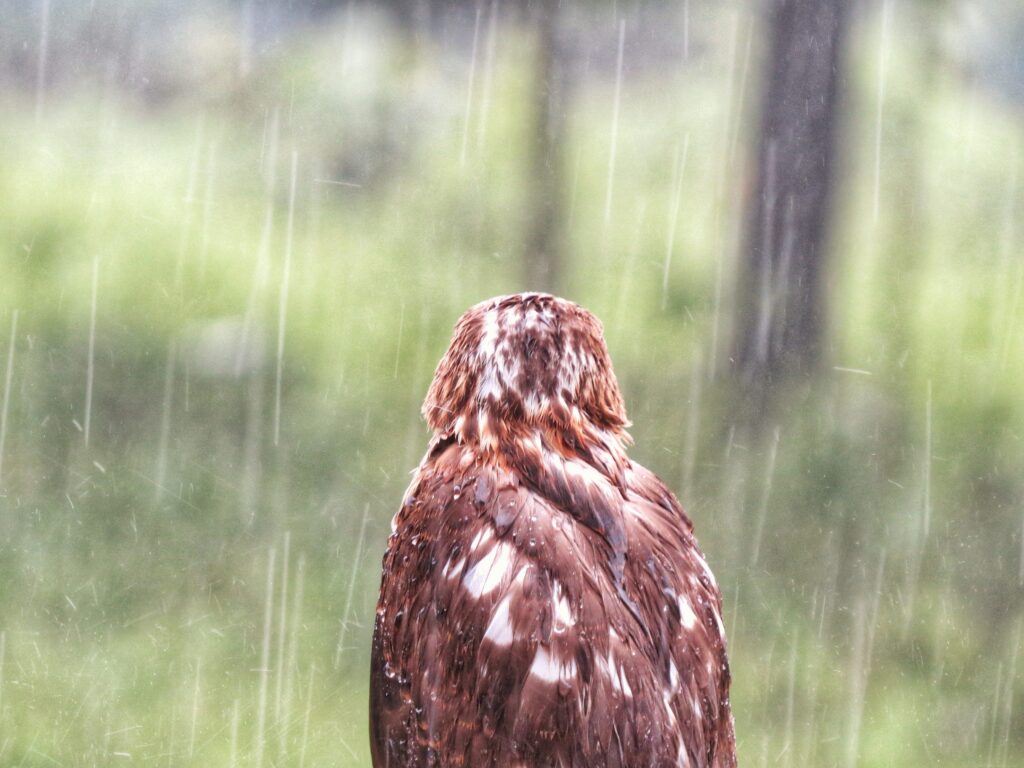
Next comes the facial disc, the circular arrangement of stiff feathers around the face. This structure funnels sound toward the ears, helping owls locate prey in darkness. Visually, it gives the owl a round, flat face with soft edges. Rounded faces and symmetrical features are traits humans often associate with vulnerability or sadness, even though in owls they serve a purely functional role.
The beak placement adds to the illusion. An owl’s beak is small and angled downward, partially hidden by facial feathers. This creates the impression of a downturned mouth, a classic human signal for sadness or concern. The owl is not frowning. Its beak is simply designed to tear prey efficiently while staying out of the way of sensitive facial structures.
Finally, the dense feathering around the eyes reduces glare and protects vision during hunting. To us, this feathering looks like heavy eyelids or tired eyes, reinforcing the idea that the owl looks weary or emotionally burdened.
Why Owls Look Sad Even When They’re Perfectly Healthy
One of the most important things to understand is that a sad-looking owl is usually a healthy owl. In wildlife biology, appearance alone is a poor indicator of an animal’s physical condition, especially for species with highly specialized anatomy.
Owls are naturally calm and still during rest and observation. They conserve energy by remaining motionless for long periods, often sitting quietly with relaxed posture and half-lidded eyes. To humans, stillness combined with large eyes and a serious face reads as boredom, exhaustion, or sadness. To the owl, it is simply efficient behavior.
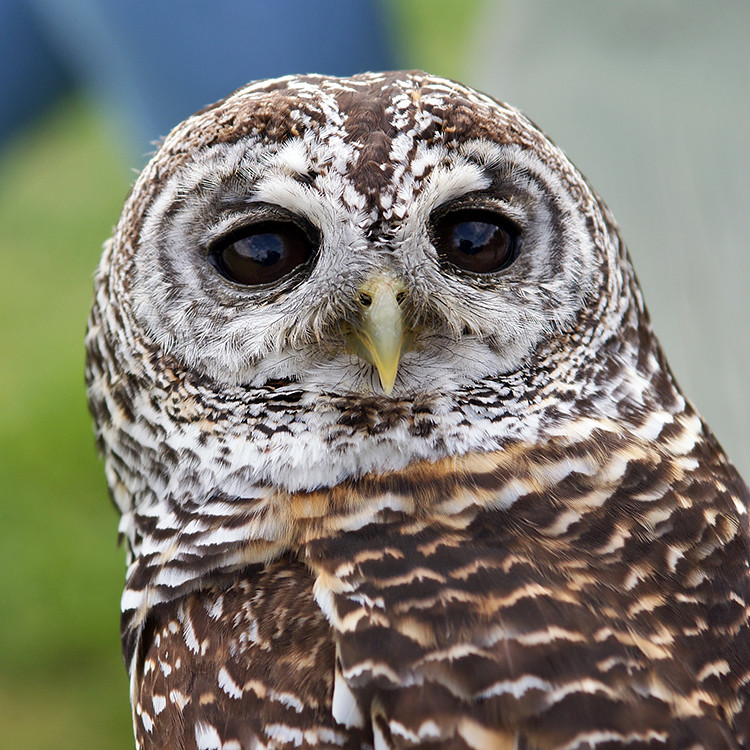
Healthy owls also do not rely heavily on facial expressions to communicate. Birds primarily communicate through posture, vocalizations, wing movements, and behavior. Facial expression plays a minimal role. This means an owl can be fully alert, well-fed, and responsive while still looking exactly the same as it did five minutes earlier.
Another factor is eye structure. Owls have large eyes relative to skull size, supported by bony structures rather than movable sockets. Because their eyes do not shift much, owls appear to stare intensely. Humans often associate fixed stares with emotional states like concern or sadness, even though in owls it is simply how vision works.