
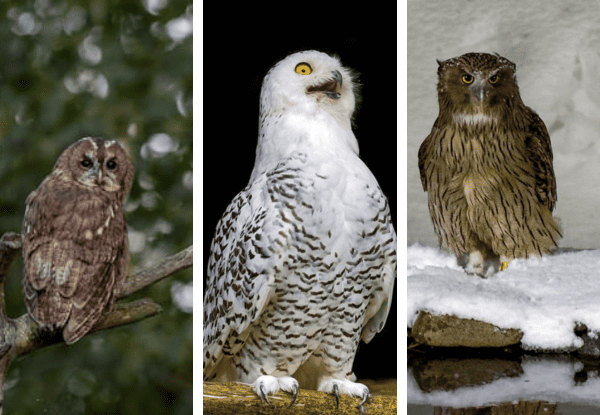
At first glance, some owls don’t even feel like birds. You spot one at night and for a second your brain goes, what am I looking at. Big glowing eyes, a face that almost looks human, and that completely still stare can be a bit unsettling. The Barn Owl looks like a floating ghost, while the Great Horned Owl gives off serious “don’t mess with me” energy.
But honestly, none of this is meant to scare us. It is just how nature designed them to survive in the dark. Their silence, their vision, their focus, everything has a purpose. And as owl lovers, we love and appreciate all owl species. They are not creepy creatures at all, they are amazing and play a really important role in wildlife.
1. Spectacled Owl
The Spectacled Owl has markings that look like glasses around its eyes, which is where it gets its name. But what really stands out is how still it can be. It often remains motionless for long periods, watching quietly from the forest.
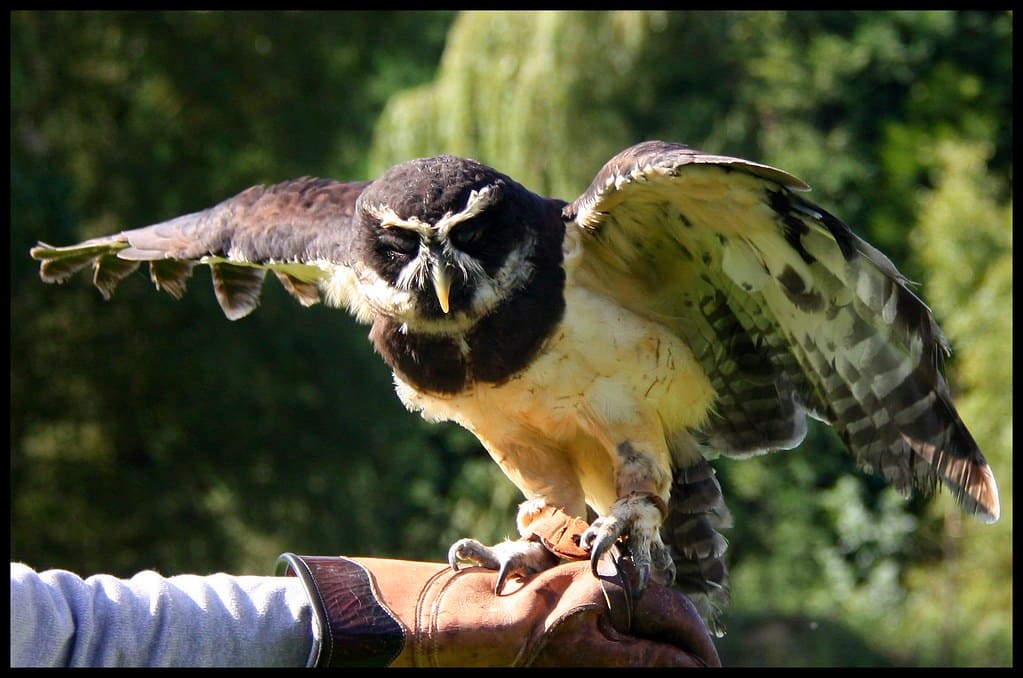
That stillness, combined with its dark face and bright markings, can make its gaze feel intense. But behaviorally, it’s a calm and relatively shy species found in Central and South American forests.
2. Tawny Frogmouth
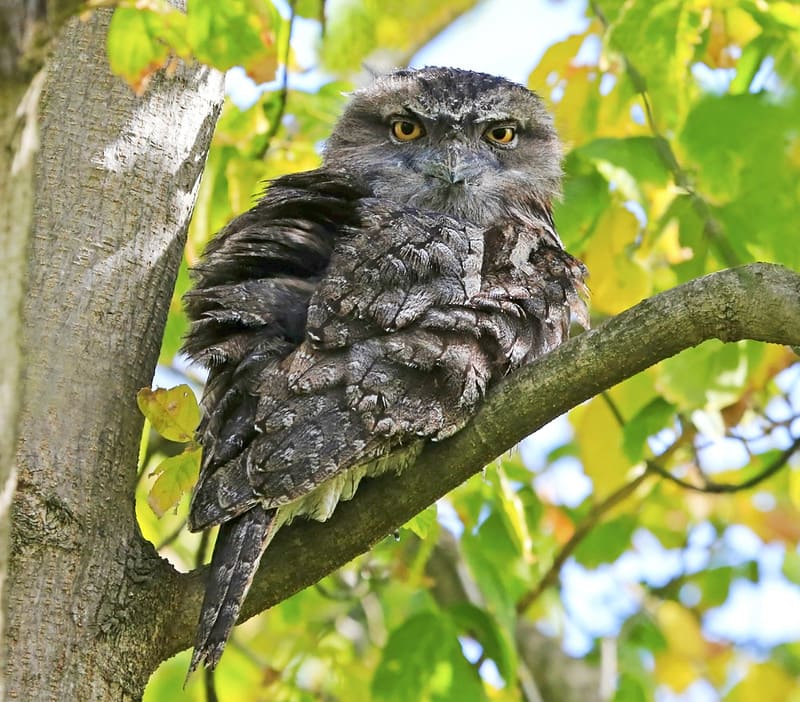
This one often surprises people. It isn’t a true owl, but it’s closely related and often mistaken for one. What makes it unsettling is not how it looks at first, but how it reveals itself.
During the day, it stays completely still and blends in with tree branches almost perfectly. When disturbed, it suddenly opens its eyes and becomes “visible.” That sudden shift from invisible to fully present is what catches people off guard.
3. Great Horned Owl
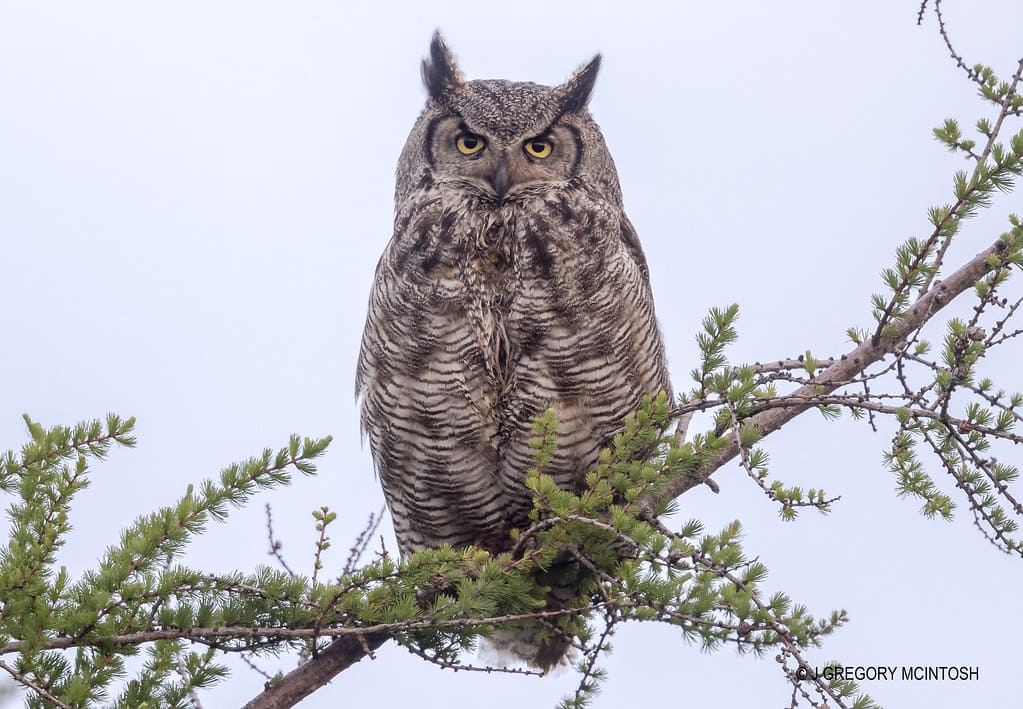
If you’ve ever locked eyes with a Great Horned Owl, you probably remember it. They have this steady, unblinking stare that feels very deliberate. Their ear tufts, which aren’t actually ears, give them a shape that many people associate with horns. That alone has influenced how people perceive them for generations.
They are powerful birds, no doubt. Studies and field observations show they can take a wide range of prey, from small rodents to animals as large as skunks or rabbits. But toward humans, they are not aggressive by nature. Most incidents happen only when someone gets too close to a nesting site.
4. Barn Owl
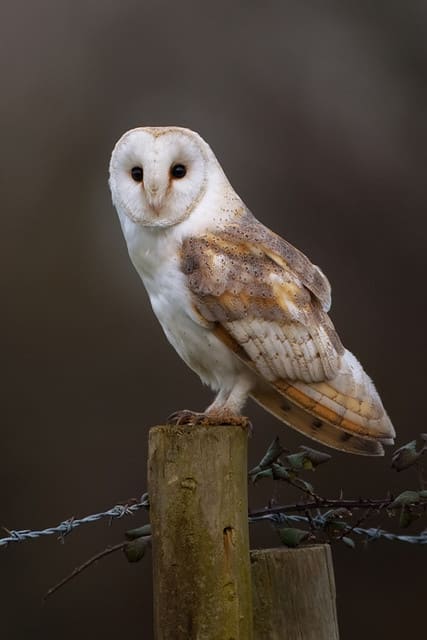
The Barn Owl’s appearance is one of the main reasons it has such a strong reputation. Its face is pale and heart-shaped, which is not something we’re used to seeing in birds. In low light, that pale face can reflect just enough light to stand out in the darkness, making it look almost like it’s glowing.
There’s also its call. Unlike the typical hoot people expect from owls, Barn Owls produce a long, harsh screech. Historically, that sound, combined with its appearance, led to many myths and superstitions across different cultures. In reality, that facial shape helps direct sound to its ears, allowing it to locate prey with impressive accuracy, even in complete darkness.
5. Eastern Screech Owl
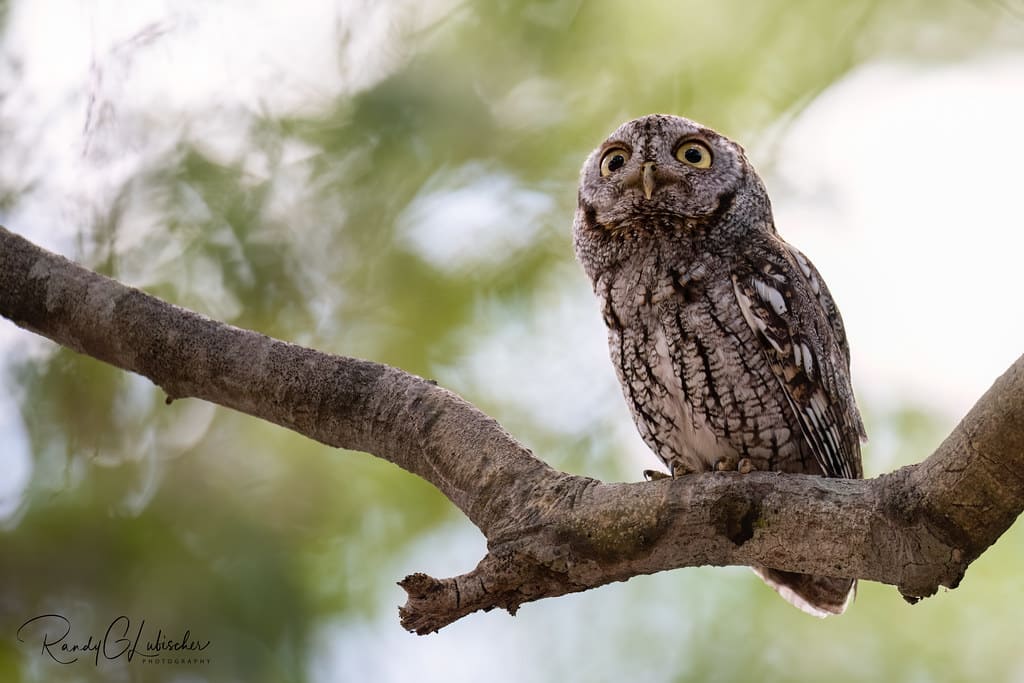
This owl is small, but it has a strong presence. Its ear tufts give it a sharp, alert look, and its eyes are bright and expressive. Because it relies heavily on camouflage, you often don’t notice it until you’re very close.
Its name can be misleading. It doesn’t really “screech” in the way people expect. Instead, it produces soft trills and whinnies. But hearing those sounds at night, without seeing the bird, can feel mysterious.
6. Blakiston’s Fish Owl
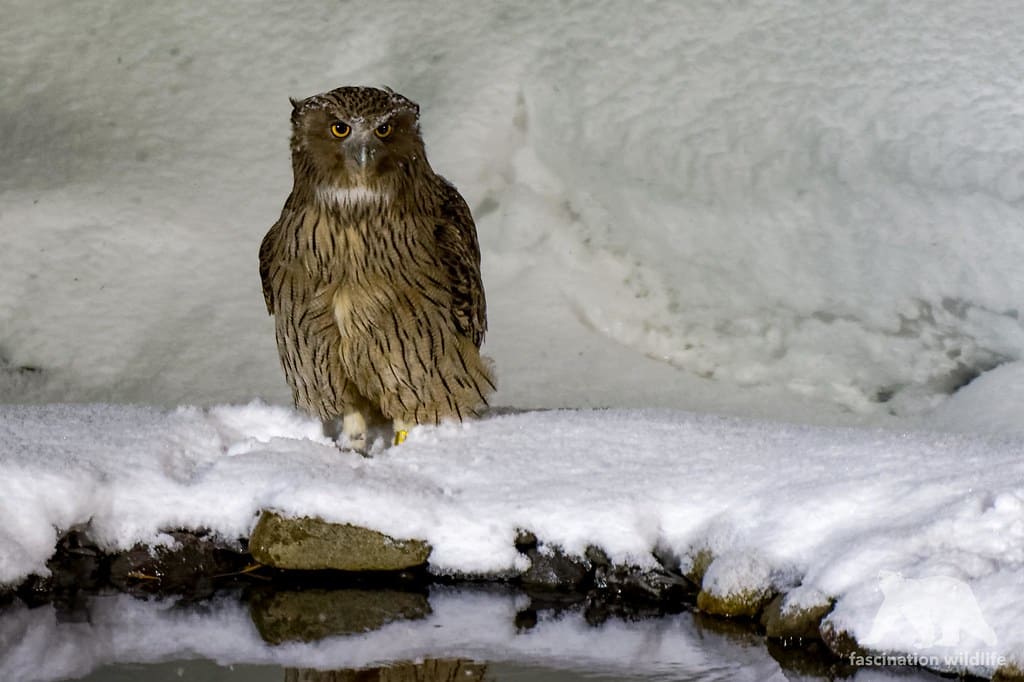
This is one of the largest owls in the world, found in parts of Russia and Japan. Its size alone is enough to make an impression. When a bird that large is sitting quietly near water in the dark, it naturally feels imposing.
It feeds mainly on fish and other aquatic prey. Despite its size, it tends to avoid human interaction and lives in remote habitats.
7. Tawny Owl
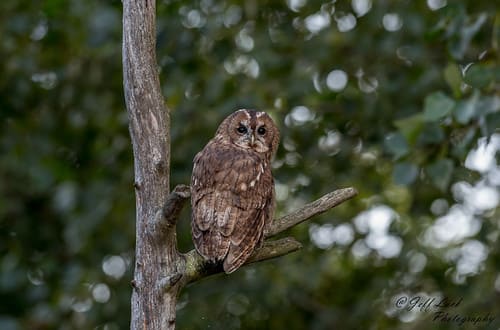
The Tawny Owl has a rounded head and dark eyes, without the ear tufts seen in other species. Its face is softer in shape, but that’s exactly what can make it feel unusual.
There’s something about its expression that can seem almost familiar, which can be slightly unsettling in low light. It’s a common woodland owl in Europe and is known more for its call than its appearance.
8. Snowy Owl
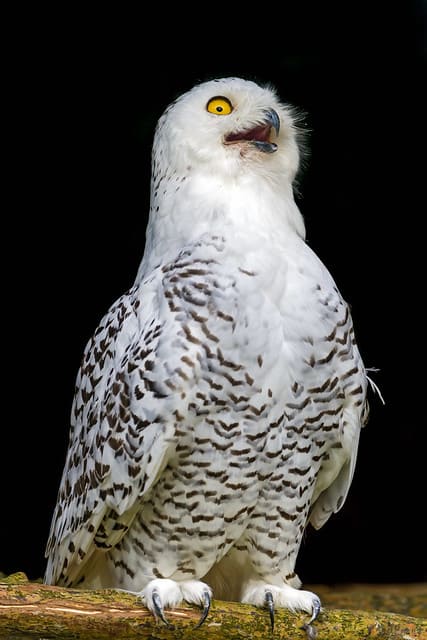
Most people see Snowy Owls in daylight photos, where they look calm and almost majestic. But in low light, their appearance changes. Their white feathers can reflect even small amounts of light, making them stand out against darker surroundings.
When one moves silently across open land, it can look almost unreal for a moment. But like the others, it’s simply adapted to its environment, hunting mostly small mammals like lemmings.
1 thought on “These 8 Owls Look Absolutely Terrifying at First Sight”
Comments are closed.