
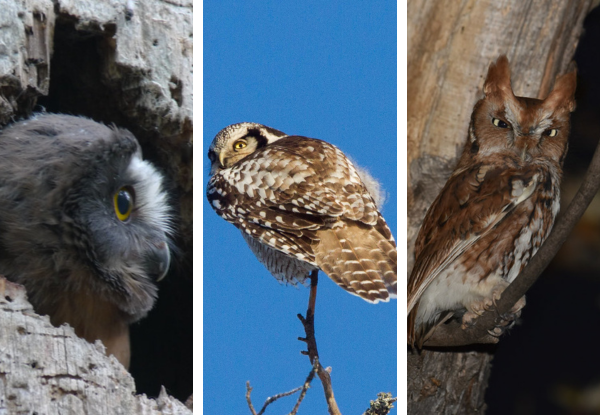
Mississippi is home to nine regularly occurring owl species, and together they form one of the most fascinating night crews in the Southeast. From deep bottomland hardwood forests to pine plantations, open farmland, and even quiet neighborhoods, these birds have quietly claimed almost every habitat the state offers. Some, like the Eastern Screech Owl and Great Horned Owl, live here year round. Others, including the Short eared Owl and Northern Saw whet Owl, are more seasonal visitors that appear mostly in winter.
What makes owls in Mississippi especially interesting is how different they are from one another. One species may weigh less than a stick of butter, while another can take down prey as large as a skunk. Some prefer swampy forests along the Mississippi River, while others hunt low over grassy fields at dusk. A few even nest in barns and old buildings, proving that not all owls insist on wilderness.
1. Eastern Screech Owl (Megascops asio)
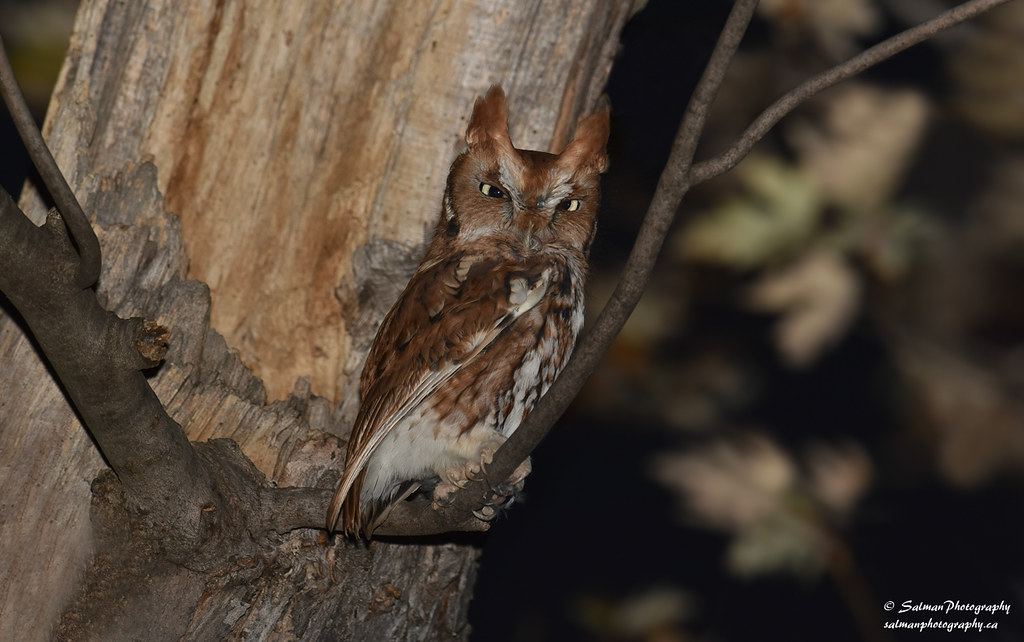
If Mississippi had an official neighborhood owl, this would be it. The Eastern Screech Owl is small, compact, and surprisingly common across the entire state. It lives in hardwood forests, pine woods, river bottoms, farm edges, and even quiet suburbs. Many people have one nearby and never realize it.
Despite the dramatic name, it rarely screeches. Its most common call is a soft descending whinny or a gentle trill. Both sounds carry surprisingly well on still nights.
It comes in gray and reddish color morphs, and both blend perfectly against tree bark. During the day it roosts in natural tree cavities or abandoned woodpecker holes, sitting upright like a broken tree branch.
Facts:
• Length: about 6 to 10 inches
• Found statewide year round
• Diet includes insects, small rodents, frogs, and small birds
• Strictly nocturnal
2. Great Horned Owl (Bubo virginianus)
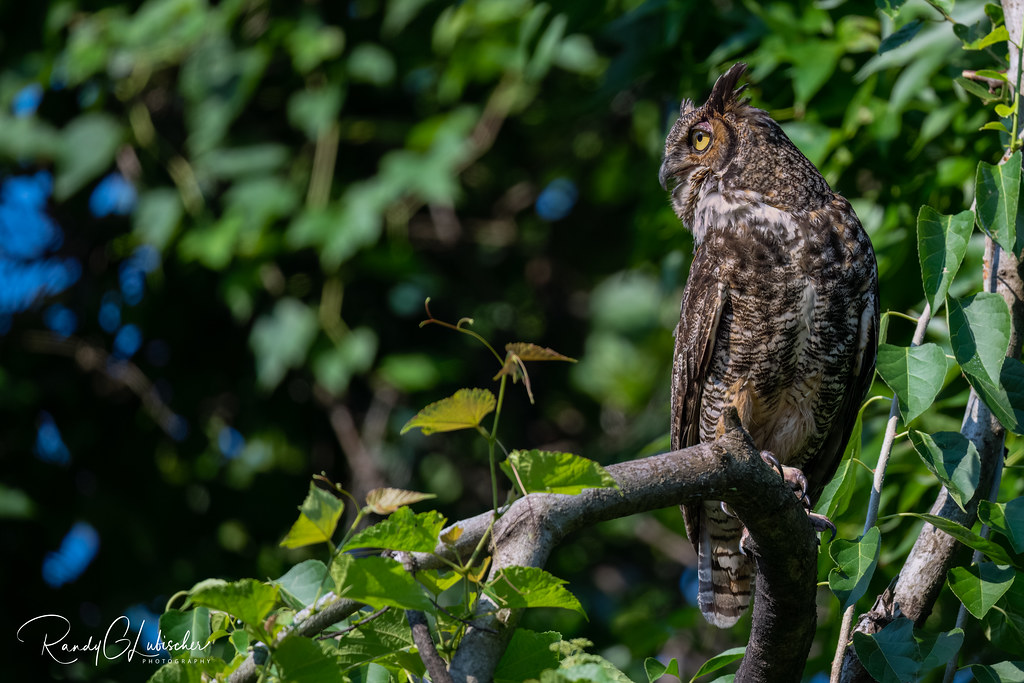
This is Mississippi’s heavyweight owl. Large, powerful, and adaptable, the Great Horned Owl occurs statewide in forests, farmland, wetlands, and even near towns. If you hear a deep, classic “hoo hoo” on a winter night, this is usually the voice behind it.
Those “horns” are actually feather tufts, not ears. The real ears are hidden and positioned asymmetrically, helping it pinpoint prey in darkness.
Great Horned Owls begin nesting very early, often in January or February in the South. They usually reuse old hawk or crow nests instead of building their own.
Facts:
• Length: about 18 to 25 inches
• Wingspan can exceed 4 feet
• Hunts mammals, birds, reptiles, and even skunks
• Present in Mississippi year round
3. Barred Owl (Strix varia)
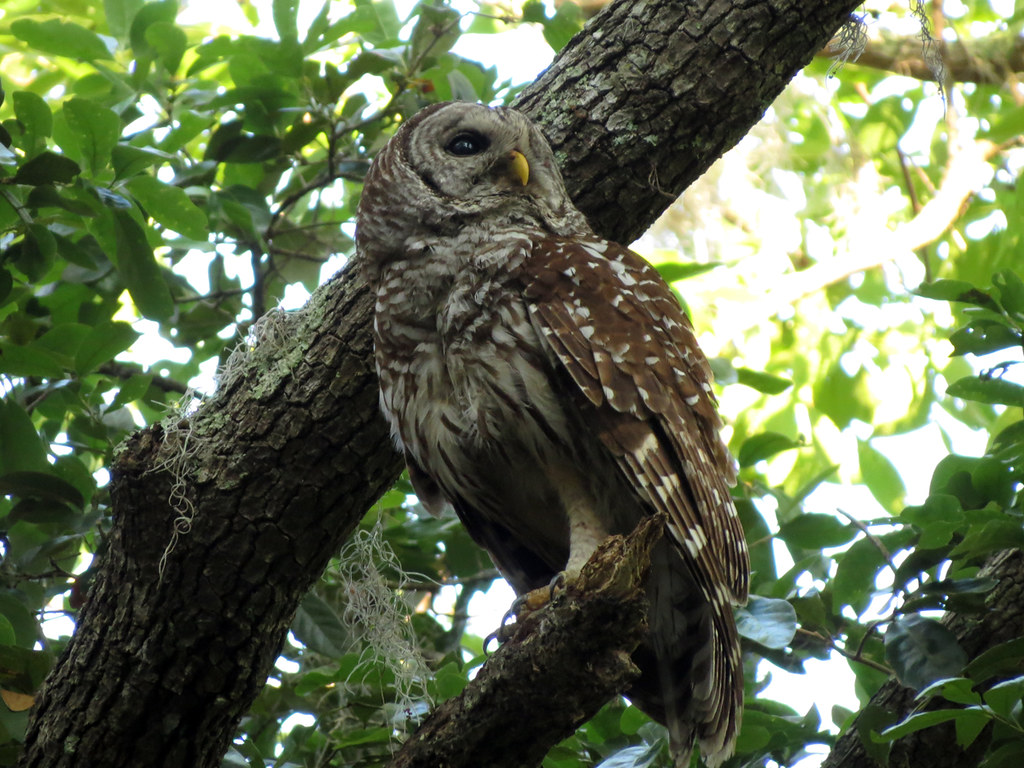
If you spend time near wooded swamps or river corridors in Mississippi, this is the owl you are most likely to hear. The Barred Owl prefers mature forests, especially near water.
Its famous call sounds like someone asking, “Who cooks for you? Who cooks for you all?” It is one of the most recognizable bird calls in the eastern United States.
Barred Owls are stocky, brown and white owls with dark eyes, unlike the yellow eyes of many other species on this list.
Facts:
• Medium to large forest owl
• Common in bottomland hardwood forests
• Diet includes rodents, amphibians, and small birds
• Active mostly at night but sometimes at dawn and dusk
4. Barn Owl (Tyto alba)
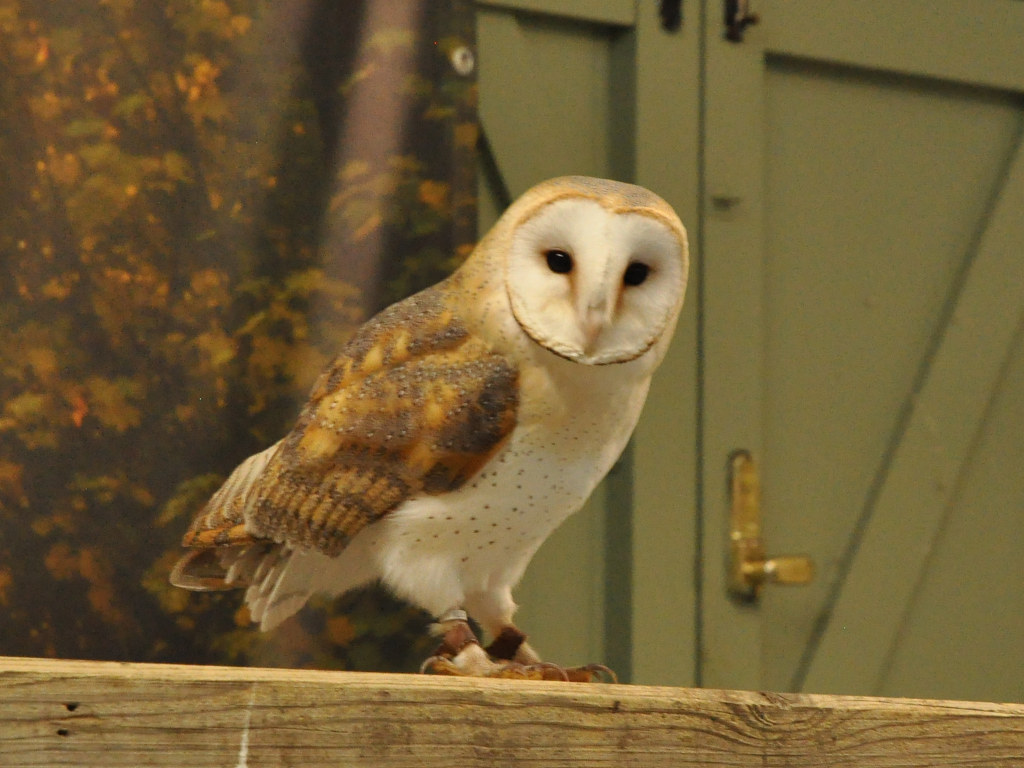
Barn Owls feel almost ghostlike compared to the forest species. Pale underneath with a white, heart shaped face, they favor open farmland, grasslands, and agricultural areas across Mississippi.
Instead of hooting, they produce a long, raspy screech. The sound can surprise anyone hearing it for the first time.
They commonly nest in barns, silos, abandoned buildings, and tree cavities. Their diet is dominated by small mammals, especially rodents, which makes them valuable natural pest control in rural areas.
Facts:
• Medium sized owl with long legs
• Found statewide but most common in open country
• Hunts primarily at night
• Relies heavily on sound to locate prey
5. Long eared Owl (Asio otus)
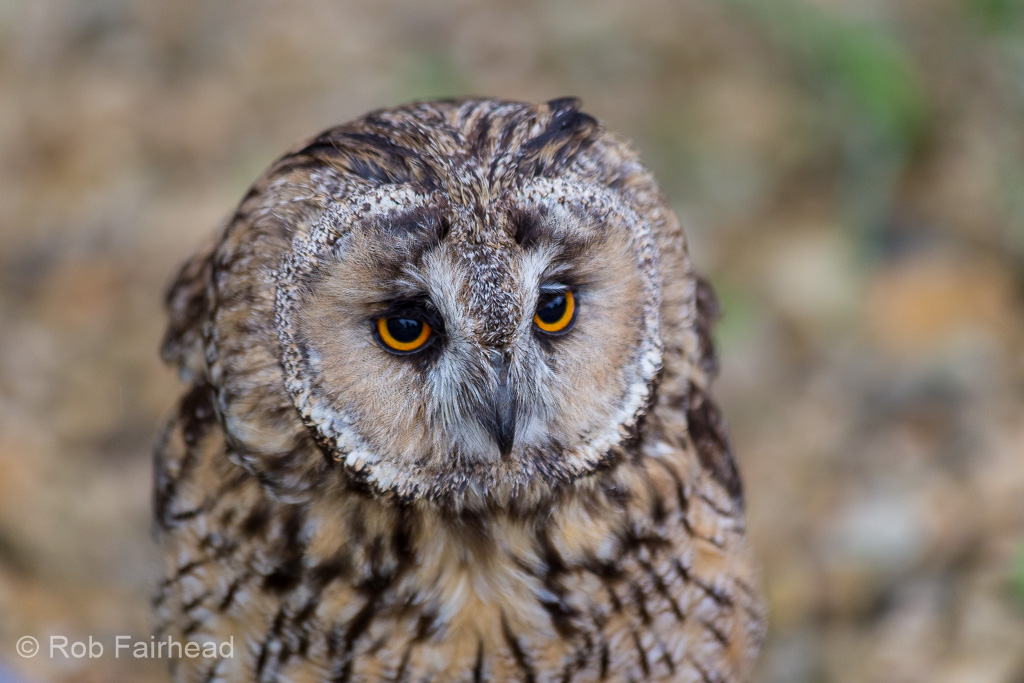
This is one of Mississippi’s quieter winter visitors. Long eared Owls breed farther north but appear in Mississippi mainly during winter months.
They prefer dense stands of pine or cedar trees where they roost during the day, often blending so well they are nearly invisible. Despite the name, the “ears” are feather tufts similar to those of the Great Horned Owl.
Facts:
• Medium sized owl
• Seen mostly in winter
• Hunts over open areas at night
• Roosts in dense trees during the day
6. Short eared Owl (Asio flammeus)
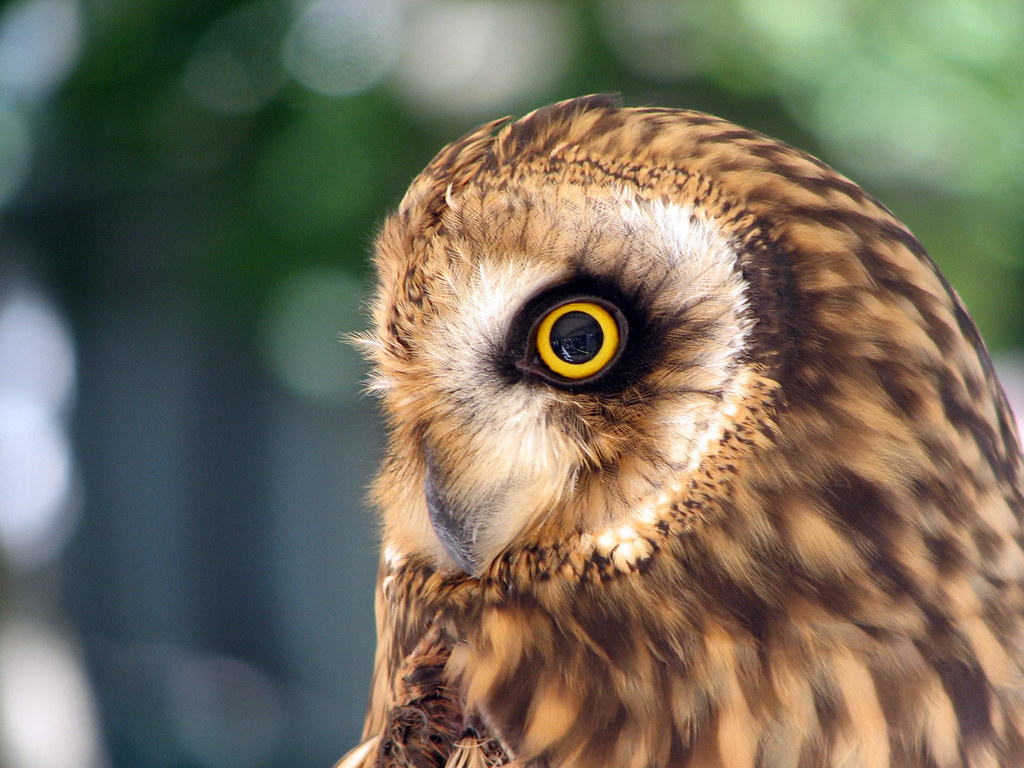
Unlike most owls here, the Short eared Owl often hunts before full darkness. In Mississippi it is primarily a winter visitor found in open fields, prairies, and coastal marshes.
Its ear tufts are very small and often not visible. When hunting, it flies low over fields with buoyant, moth like wingbeats.
Facts:
• Medium sized, open country owl
• Most common in winter
• Hunts rodents in grassy habitats
• Often active at dusk
7. Northern Saw whet Owl (Aegolius acadicus)
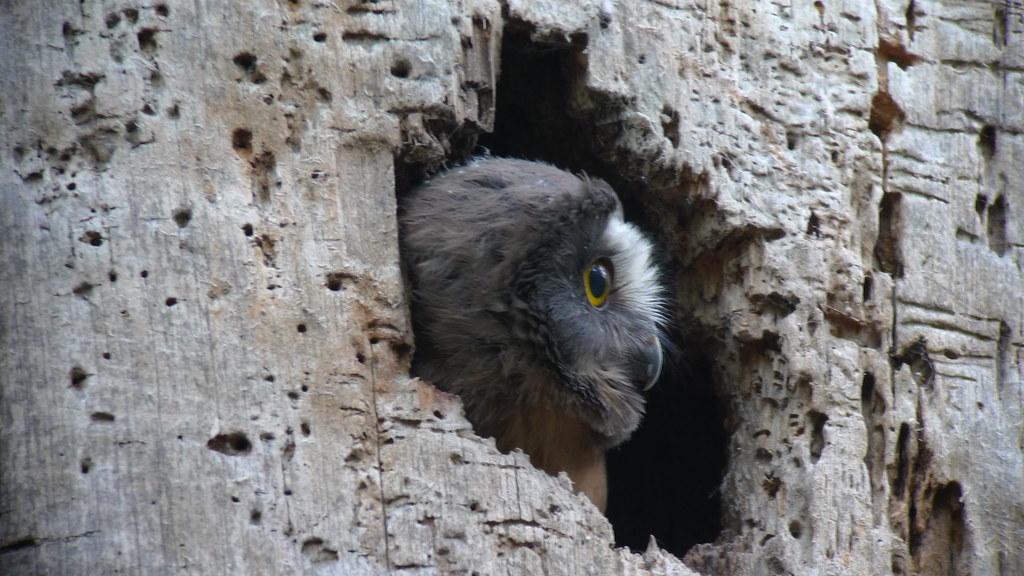
This tiny owl is the smallest regularly recorded owl species in Mississippi, and also one of the least frequently seen. It appears mainly during migration and winter.
Despite its small size, it is a capable hunter of small mammals. Its name comes from a call that early listeners thought sounded like a saw being sharpened on a whetstone.
Facts:
• Very small owl, about robin sized
• Rare but regular winter visitor
• Nocturnal and secretive
• Roosts in dense forest cover
8) Burrowing Owl (Athene cunicularia)
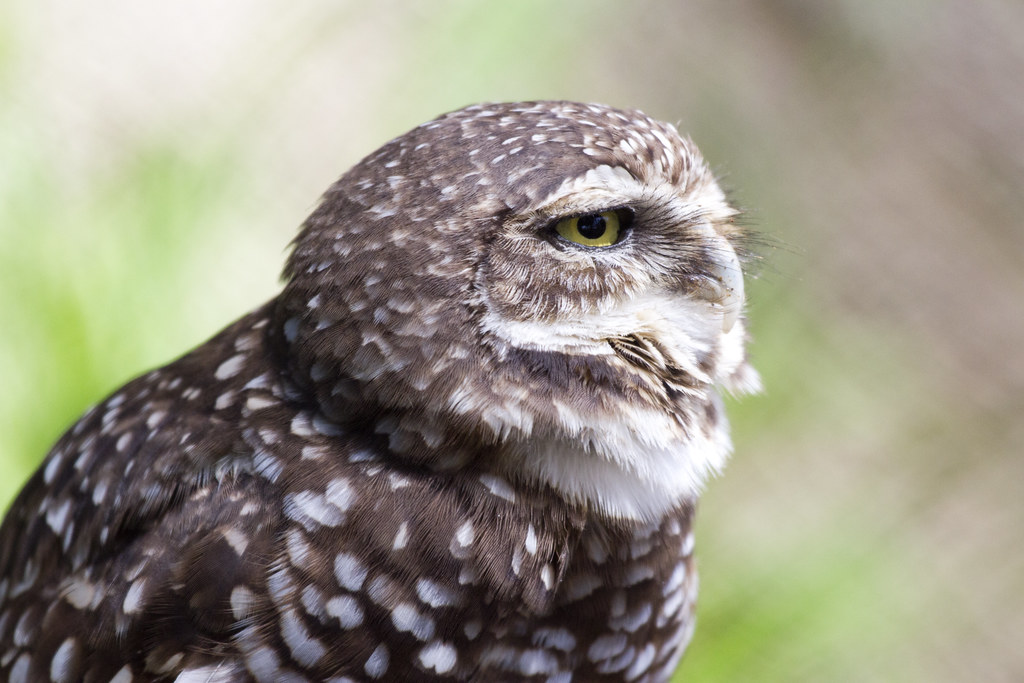
This species is not a regular resident of Mississippi, but it has been recorded on rare occasions. Unlike all other owls on this list, Burrowing Owls live on the ground and nest in burrows.
They are primarily birds of open western grasslands, which is why sightings in Mississippi are considered unusual.
Facts:
• Small, long legged owl
• Ground dwelling species
• Very rare in Mississippi
• Active during day and night
9. Northern Hawk Owl (Surnia ulula)
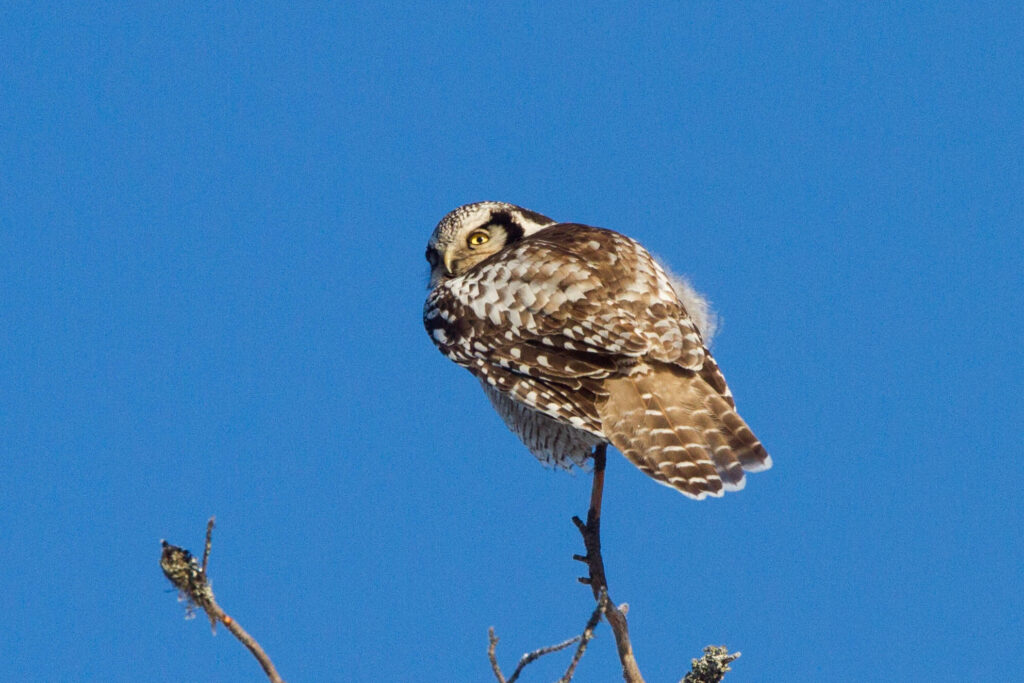
The Northern Hawk Owl is an extremely rare visitor to Mississippi. It breeds in far northern forests and only occasionally moves south during irruption years.
It behaves differently from most owls, often hunting during daylight and perching upright like a hawk.
Facts:
• Medium sized northern species
• Daytime hunter