
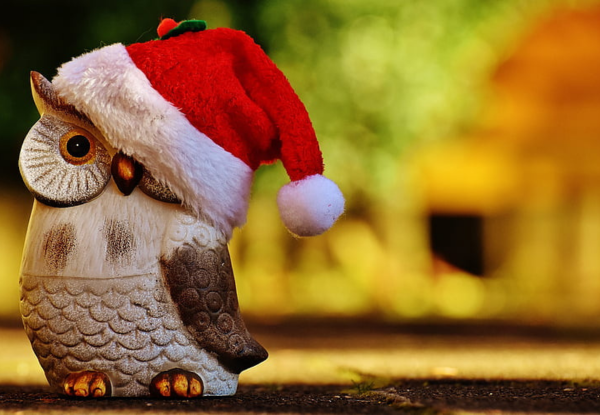
If you have ever noticed that Christmas decorations are full of robins, doves, and other cheerful daytime birds but almost never feature an owl, there is a good reason for that. It is not because people in the past ignored owls or thought poorly of them. In fact, owls were a familiar presence in medieval winter life, often heard calling through long December nights when villages were quiet and darkness arrived early.
As a site dedicated to owls, we will admit a bit of bias. Owls naturally get more attention here, though that does not mean we have anything against robins, doves, or any other bird brave enough to face winter. Looking at Christmas through an owl-focused lens simply highlights why certain animals were welcomed into holiday symbolism while others were left outside in the cold.
Robins remained visible in winter gardens and became linked with kindness and endurance. Doves already carried strong religious meaning as symbols of peace and the Holy Spirit. Owls, meanwhile, continued doing what they always do best, quietly ruling the night while Christmas celebrations unfolded indoors under brighter symbols.
Holiday Owl Humor
Ever wonder why owls never made it into Christmas carols? It is not because they dislike the holidays. It is because singing at midnight tends to confuse the neighbors.
While everyone else was singing carols, the owl was politely asking, “Why are you all awake during my bedtime?”
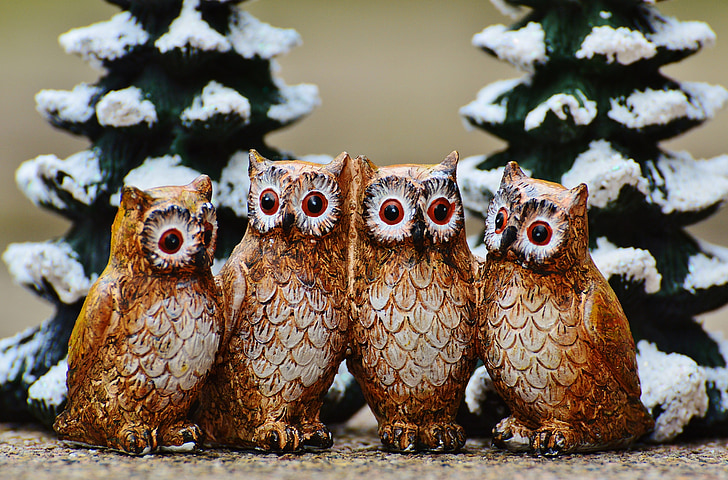
Owls, Darkness, and December: Why Medieval Christmas Art Avoided Night Birds
In medieval Europe, Christmas art served a clear purpose beyond decoration. Paintings, carvings, and illuminated manuscripts were created to communicate religious ideas to a largely non-literate population. Artists used familiar animals and symbols to reinforce themes of hope, guidance, and spiritual light, especially during the darkest weeks of the year.
Owls were well known to medieval communities and were frequently heard during winter nights, including in December. Their absence from Christmas imagery was not a judgment of the bird itself. Instead, it reflected how symbolism worked at the time. Because owls are most active after sunset and are rarely seen in daylight, they became associated with night and quiet observation rather than public celebration.
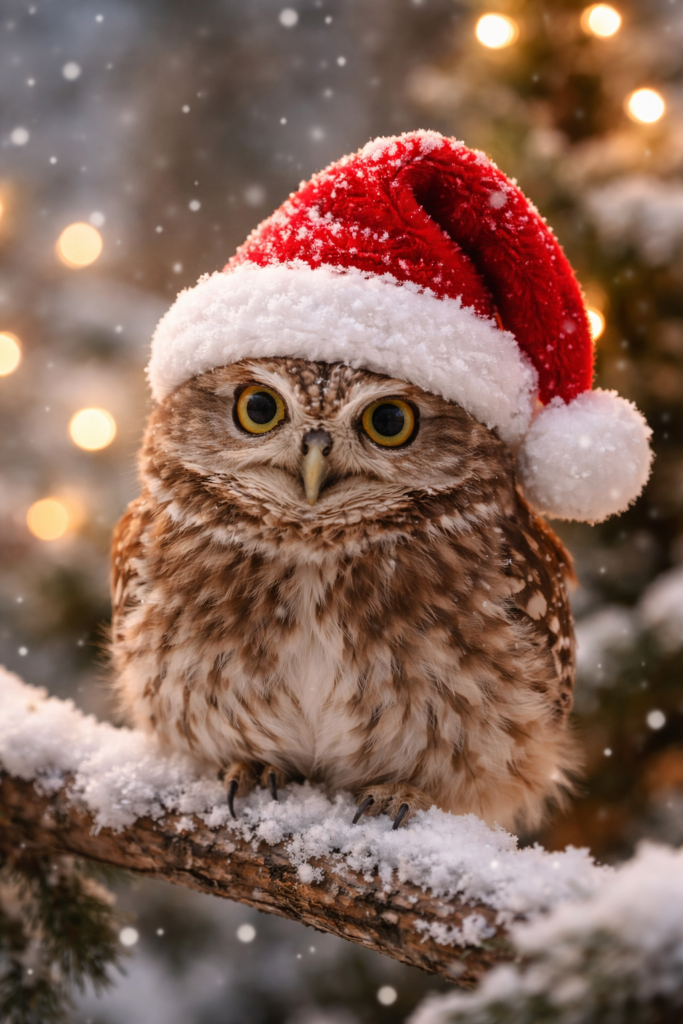
Medieval Christian symbolism often relied on contrast. Light represented knowledge, divine presence, and reassurance, while darkness was used to represent what lay outside understanding. In that symbolic system, animals active in daylight were easier to place in celebratory religious scenes. Owls were generally used in art to illustrate lessons or contrasts, not because they were disliked, but because their habits did not align with the visual language used for Christmas themes an artistic choice that later influenced beliefs such as Are Owls Good Luck.
This does not mean owls were viewed negatively. They were respected as skilled hunters and familiar parts of the natural world. Their role in art was simply different, shaped by tradition rather than belief.
Why Christmas Traditions Chose Robins and Doves But Left Owls Out
Christmas traditions developed gradually, influenced by daily life, seasonal visibility, and existing religious meaning. Birds that became part of the holiday were usually those people could see easily during winter or already recognized as symbols of peace and goodwill.
Robins remained active and visible in cold weather, often appearing near homes and gardens. Over time, their presence during winter months helped them become associated with endurance, kindness, and quiet companionship. These qualities fit naturally into Christmas storytelling and later cultural traditions.
Doves carried even deeper symbolic meaning. Long before they appeared in Christmas imagery, doves were widely recognized in Christian tradition as symbols of peace and the Holy Spirit. Including them in holiday art required no reinterpretation and felt appropriate within a religious context.
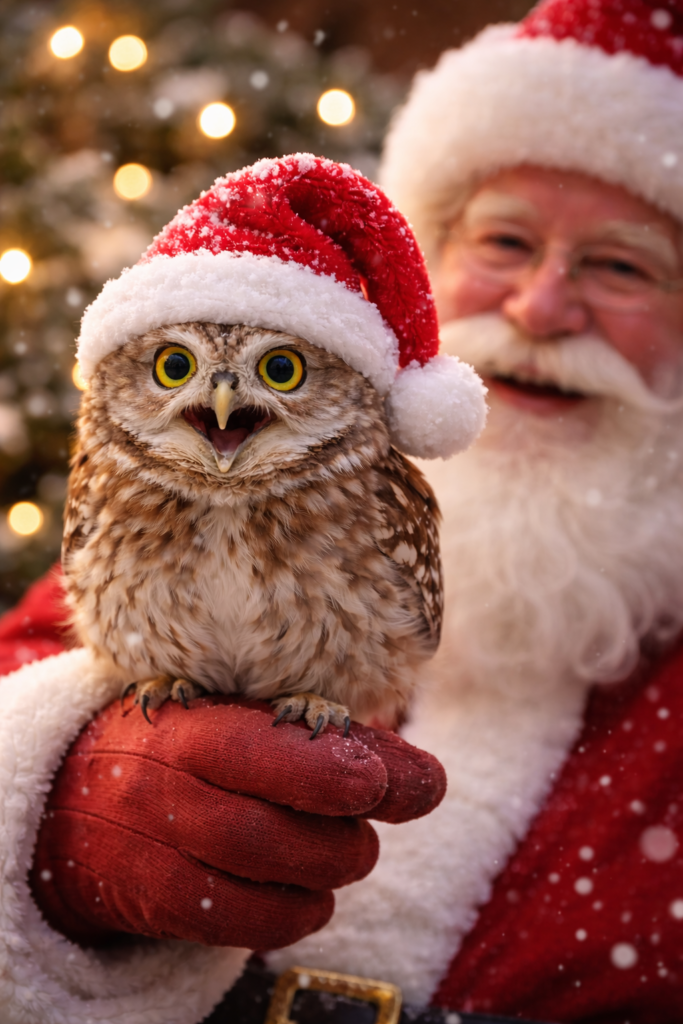
Owls, by contrast, were heard more often than seen and lived largely apart from human activity during the day. Their quiet, nocturnal habits placed them outside the shared, communal moments that Christmas traditions emphasized. This distance was practical and symbolic rather than emotional or theological.
Christmas symbolism did not reject owls. It simply developed around animals whose behavior and meaning were easier to express visually and publicly. Owls remained part of the winter landscape, appreciated for what they are, even if they did not become holiday icons.