
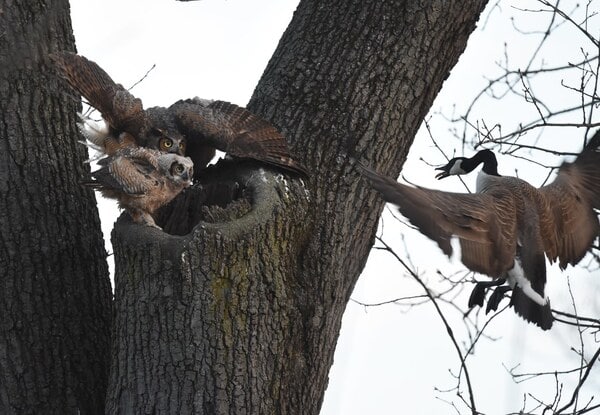
Yes, owls can attack humans-but it’s rare. Most cases happen only when an owl is protecting its nest, eggs, or young, especially during breeding season. Wildlife agencies and field reports show that owls sometimes swoop at people who get too close without realizing it, with joggers and night walkers being the most common targets. These attacks aren’t attempts to hunt humans; they’re simply defensive strikes. Injuries are usually minor, and moving away calmly is enough to stop the owl’s behavior.
Real Moments When Owls Hit Back: True Stories of Owl Encounters With People
Although owl attacks are uncommon, a handful of real-life cases documented by park officials and wildlife departments help us understand when and why they happen. These encounters typically occur during early morning or nighttime hours when owls are most active and people are least aware of their presence. In many stories, the person had no idea a nest was nearby until the owl swooped silently from behind, tapped their head, and flew off.
In Washington state, several joggers reported being struck by Barred Owls along forested trails, each time near an active nest. Great Horned Owls have also been known to defend their nesting areas in suburban neighborhoods, surprising residents who walked beneath certain trees. Snowy Owls in northern regions have struck wildlife researchers approaching too closely during nesting season. These events share the same cause: the owl warning an intruder away from its young.
Patterns seen in real encounters:
- Surprise strikes from behind with no warning
- Attacks occurring near nests or fledglings
- Quick contact followed by immediate retreat
- Most incidents ending as soon as the person moves away
How Strong Is an Owl Attack, Really? A Simple Breakdown of Their Power and the Injuries They Can Cause
Owls are not built to attack large animals, but they possess enough power to deliver a noticeable strike. Their talons are designed for gripping prey like rodents or small mammals, not for harming humans. Still, a defensive dive with outstretched talons can cause scratches, especially on the scalp, which is the most common target because of the owl’s downward angle of approach.
Large species such as Great Horned Owls have impressive strength relative to their size. They can strike with enough force to startle or disorient a person, but they do not have the power to inflict life-threatening injuries. Most documented wounds involve shallow cuts or punctures that require simple cleaning. The intensity of the impact is more surprising than dangerous.
What contributes to the impact:
- Sharp talons intended for gripping prey
- Strong legs used to deliver a quick push
- A silent, high-speed dive from above
- The element of surprise rather than sustained force
Breeding Season vs. Normal Season: When Humans Are Most at Risk
Owls behave differently during breeding season, and this is the period when almost all human encounters occur. For many species, nesting begins in late winter and continues into spring, and during this period, adults defend a territorial radius around the nest. A person walking or running nearby may unintentionally cross into this defensive zone, triggering the owl’s instinct to drive the intruder away.
Outside of breeding season, owls rarely show aggressive behavior. They may watch humans from a distance or fly silently overhead, but they typically avoid direct contact unless threatened. The contrast between these two periods reflects the priority shift in the owl’s behavior from general survival to protecting young and helps explain why beliefs such as Are Owls Bad Luck often arise from isolated seasonal encounters rather than everyday behavior.
Risk increases during breeding season due to:
- Parents guarding eggs or newly hatched owlets
- Low tolerance for fast movement near the nest
- Expanded territorial behavior
- Increased alertness during early morning and evening hours
Why Joggers and Night Walkers Face More Owl Attacks Than Anyone Else
Joggers and walkers at dusk or early morning are involved in a disproportionate number of owl incidents. This is not because owls target them specifically, but because their movement and timing match key elements of owl defensive behavior. Fast, steady motion appears more threatening to a nesting owl than a slow stroll, and these activities commonly occur at the same hours when owls patrol their territory.
Low-light conditions also reduce a person’s awareness of nesting locations, increasing the chance of wandering into an owl’s defended area. Many joggers report being struck without ever seeing the owl approach due to the bird’s silent flight.
Common factors in jogger-related encounters:
- Running resembles a predator’s direct approach
- Active hours overlapping with owl hunting and patrol times
- Trails passing close to tree canopies
- Limited visibility making nests harder to notice
Do Certain Owl Species Attack Humans More Often? A Look at the Evidence
Some owl species appear more frequently in reports simply because they are larger, more territorial, or more likely to nest near human activity. The Great Horned Owl is responsible for many documented incidents in North America, not due to aggression but because of its size, strength, and strong parental instincts. Barred Owls are also known for swooping at people in forested parks, especially near nesting sites.
Snowy Owls, although less commonly found near people, are highly defensive during nesting and have been documented striking wildlife researchers. Great Gray Owls and Northern Hawk Owls may also swoop when defending territory, though contact is less common.
Species most often involved in territorial strikes:
- Great Horned Owl
- Barred Owl
- Snowy Owl
- Great Gray Owl
- Northern Hawk Owl
Smaller species like Screech Owls and Burrowing Owls rarely make contact, often relying on bluff dives instead of physical strikes.

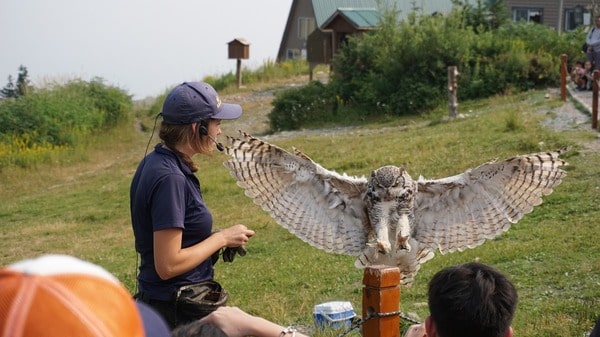
Do Owls Ever Think We’re a Threat? What Research Says About This Behavior
Research makes it clear that owls don’t lash out randomly and they don’t mistake humans for prey. What they do react to is the possibility that something large is getting too close to their nest. In the owl’s mind, it doesn’t matter whether that intruder is a fox, a raccoon, a dog, or a person—anything approaching the nest can be a threat. This instinct is deeply rooted in survival; young owls have little defense of their own, so the adults step in quickly when they sense danger.
In many documented cases, the owl gives warning signs before making physical contact. They often start by watching closely from a perch, then may glide past the person at a low height. If the individual continues walking toward the nest area, the owl may deliver a quick tap with its talons. These strikes are not intended to injure but to push the intruder back. Once the person steps out of the defended area, the owl immediately disengages because the perceived threat is gone.
Research-backed conclusions:
• Owls respond primarily to how close a person gets and how fast they are moving
• Humans are treated the same as any large animal near a nest
• Strikes are brief, warning-style taps meant to deter, not harm
• The owl’s defensive behavior ends as soon as the intruder creates distance
If an Owl Comes After You, Here’s What Experts Say You Should Do
Wildlife experts recommend simple steps for anyone who encounters a defensive owl. Protecting your head is the first priority, since almost all strikes land on the scalp. Walking away calmly reduces the owl’s need to escalate its behavior. Running or swinging arms can make the owl interpret you as more of a threat.
If a particular path experiences repeated owl activity, temporary route changes may be advisable during breeding season. Wearing a hat or hood can also offer basic protection.
Recommended actions:
- Shield your head with your hands or a hat
- Move away slowly and avoid sudden movements
- Stay clear of nesting areas during breeding season
- Keep pets close and away from underbrush
- Notify local wildlife officials if aggressive behavior persists
Documented Cases of Owls Striking Humans
- Janissa Delzo published a report entitled Owls Are Attacking People And Dogs In Wake of Cold Weather . She stated that young owls are still learning to hunt and are having trouble finding food sources so they grab small rodents.
If You want to read Full Report – Here a Link
- Another Report Publish by Jamie Kennedy of cbs46 news Title OWL ATTACKS: People in metro Atlanta report being attacked by owls, The report conclusion Owl attacking at night to Joggers, Children and One-Woman Pregnant also get attack by Owl
If You want to read Full Report – Here a Link
- Conor McCann publish report in Cbc News Title Rare Owl Attack leaves Rigolet Woman with Head Wound. The report details how a horned Owl attacked a woman and inflicted severe injuries.
If You want to read Full Report – Here a Link
Resource
- Owlchatter.com
- www.birdwatchingusa.org